By Reşit Kemal AS | Editor-in-Chief of World of Global.
As the calendar edges toward the final pages of 2025, the Middle East stands before us much like a student clutching a report card—uneasy, familiar, and accompanied by the same old explanations. The classroom hasn’t changed. The noise level hasn’t changed. Only the teachers—and the excuses—seem to rotate.
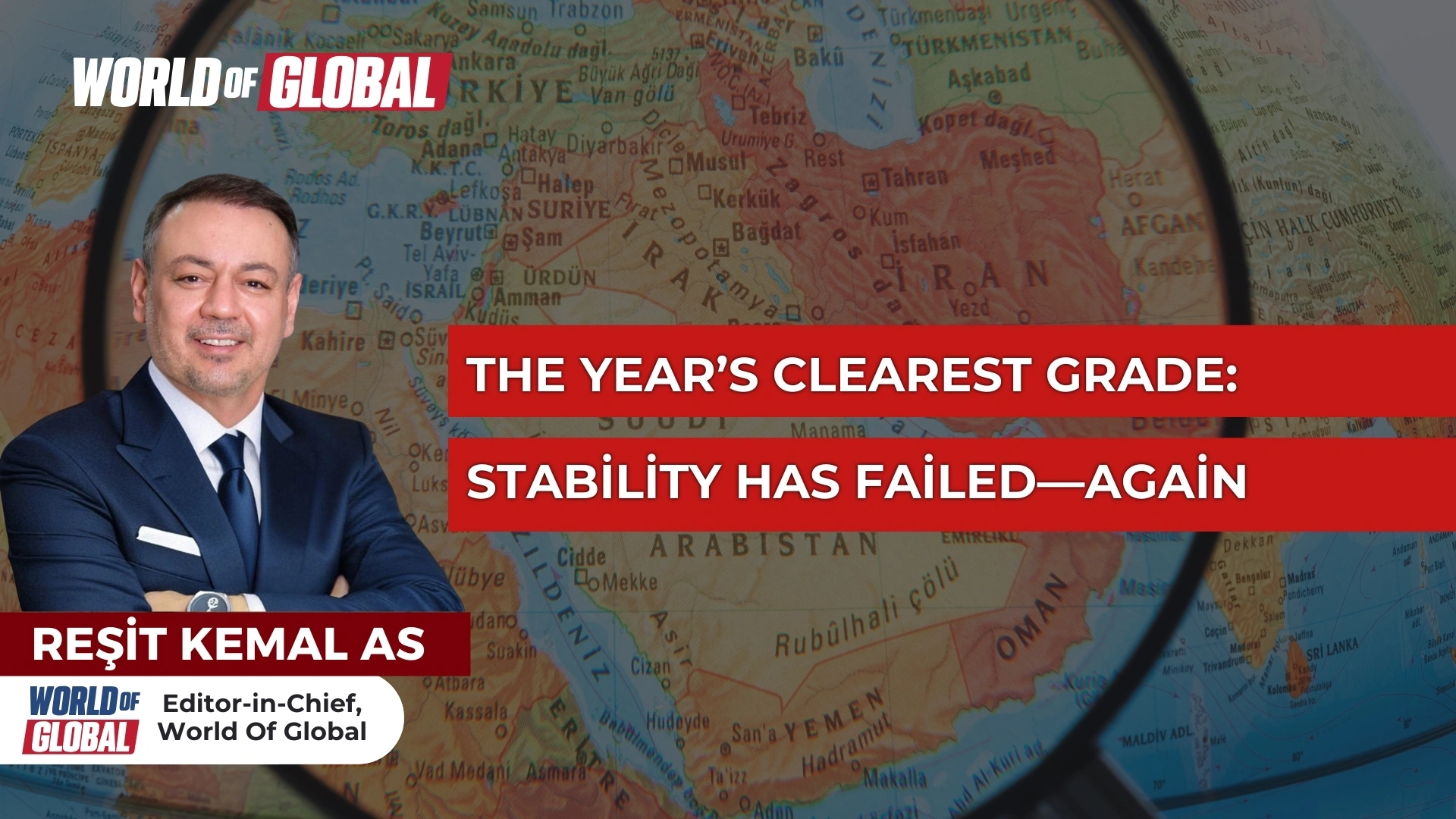
The most visible grade this year is no surprise: stability has once again failed. The region continues to treat short-lived calm as if it were a permanent solution. Ceasefires resemble weather forecasts—sunny in the morning, stormy by nightfall. No one invests in a lasting umbrella; everyone prefers to believe the rain will pass on its own.
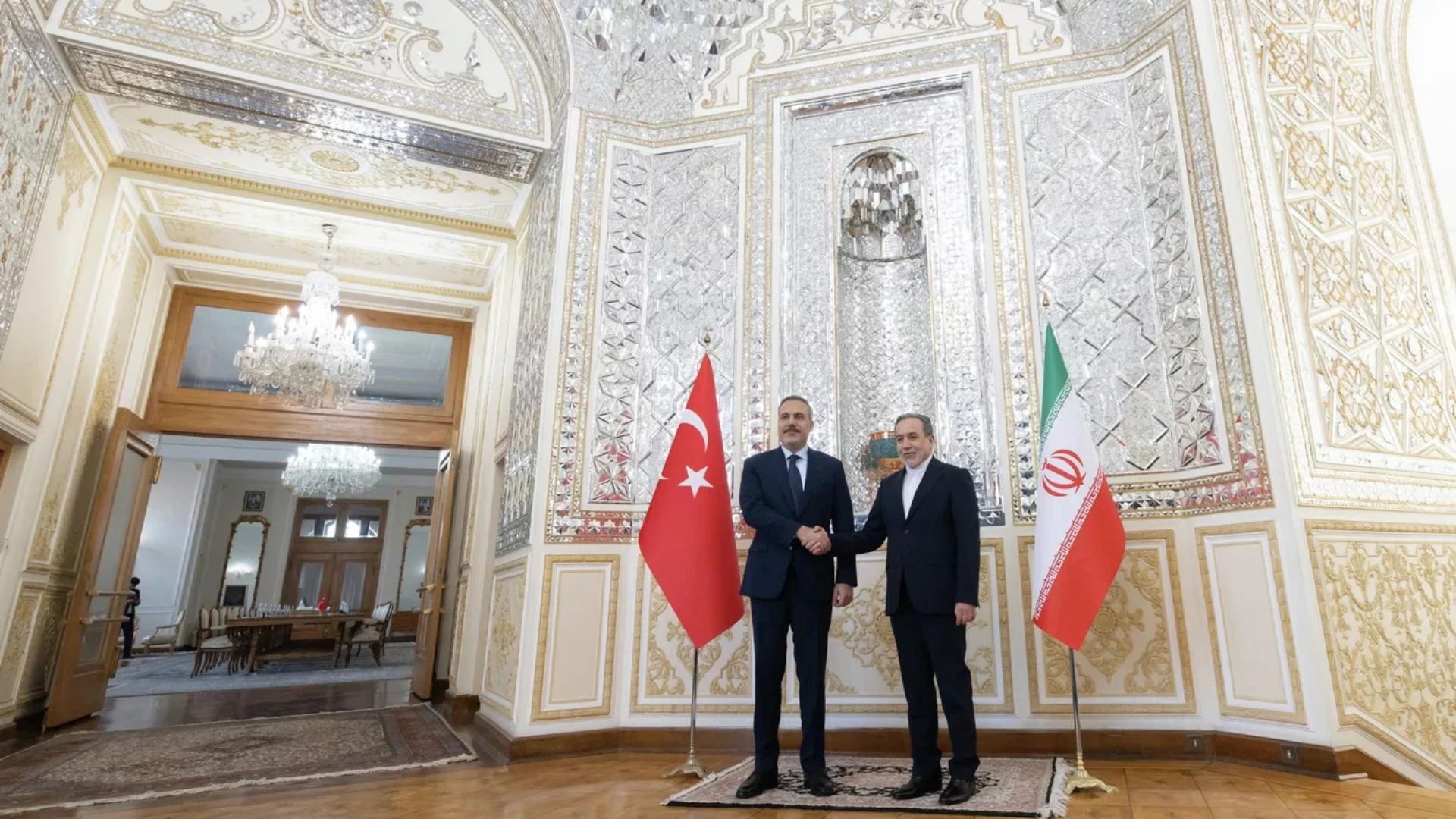
In diplomacy, the papers are full, but the answers remain empty. Summits were held, communiqués were issued, photographs carefully staged. Yet between the lines, the same word circulates quietly: “for now.” For now, things are calm. For now, we are talking. For now, we are waiting. The diplomatic language of the Middle East has evolved into an art of killing time in a waiting room.
Economically, the picture is more complicated. Oil earned a grade of “adequate.” As global energy transition gains momentum, countries long defined by what lies beneath their soil rushed to reimagine what could rise above it. The Gulf’s showcase projects dazzled the eye, but behind the glass remains the same unresolved question: Is diversification a genuine strategy—or merely a display? Answers vary by country; the common denominator is urgency.
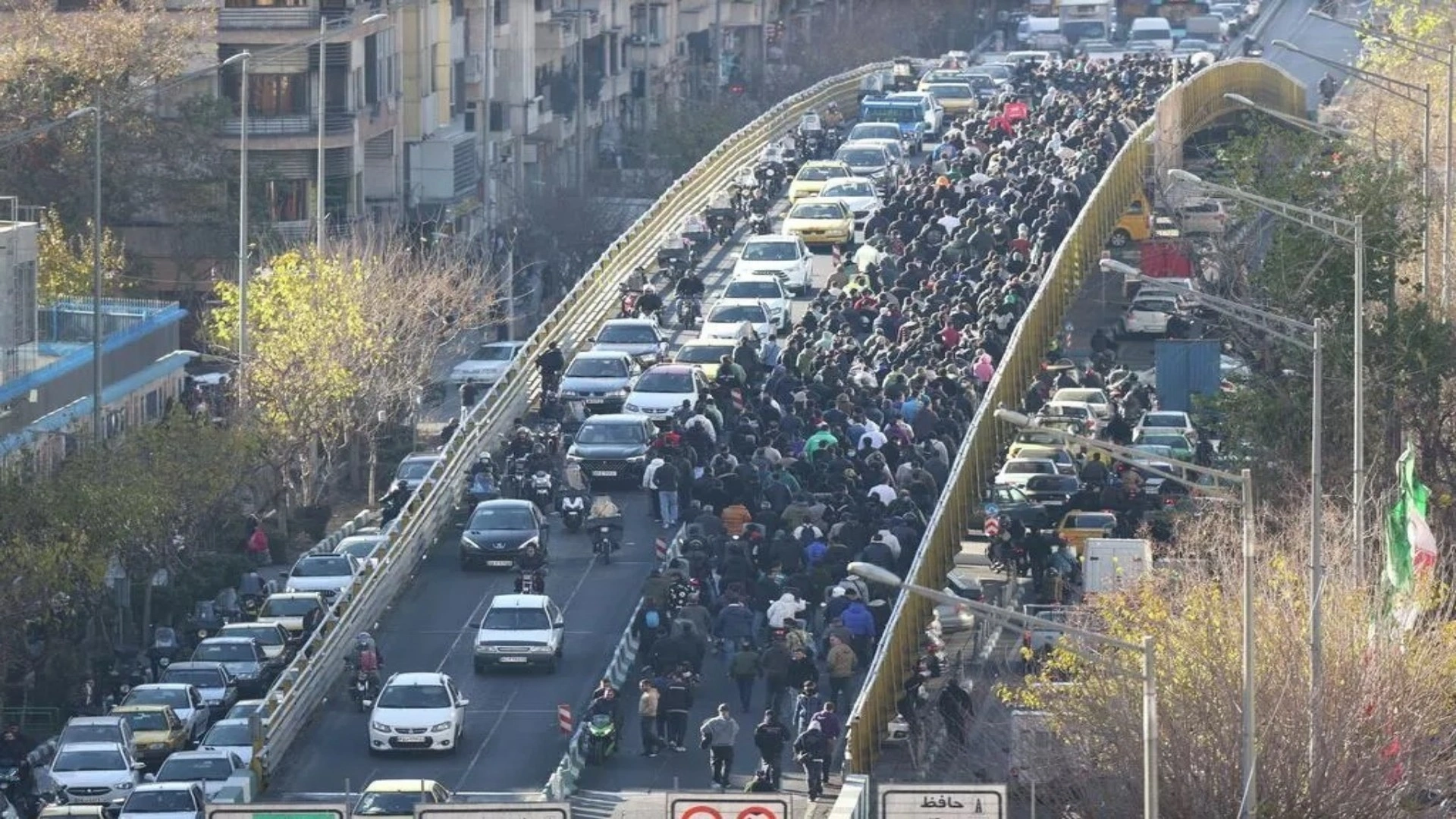
On the societal front, however, young people performed well in oral exams. Across social media, public spaces, and everyday life, the language of dissent evolved. They demonstrated that protest does not always require shouting. This may be the region’s most hopeful mark in 2025. But if systems choose suppression over listening, those grades will inevitably decline.
In security studies, half the class wrote “defense,” the other half “deterrence.” Yet the exam was titled “peace.” That peace is whispered while weapons speak loudly has become one of 2025’s defining ironies. Everyone discussed security; few devoted serious attention to how trust itself might be built.
And then there are the external actors—the Middle East’s visiting teachers. They entered and exited the classroom throughout the year. Some lectured, some took attendance, others negotiated in the corridors during recess. The classroom order remained intact; only the color of the chalk changed.
The 2025 report card closes with a familiar sentence: “High potential, low performance.”
The region’s real test is not to repeat well-known answers, but to learn how to ask new questions. Perhaps then, a year-end column might finally record a passing grade.
For now… still for now.