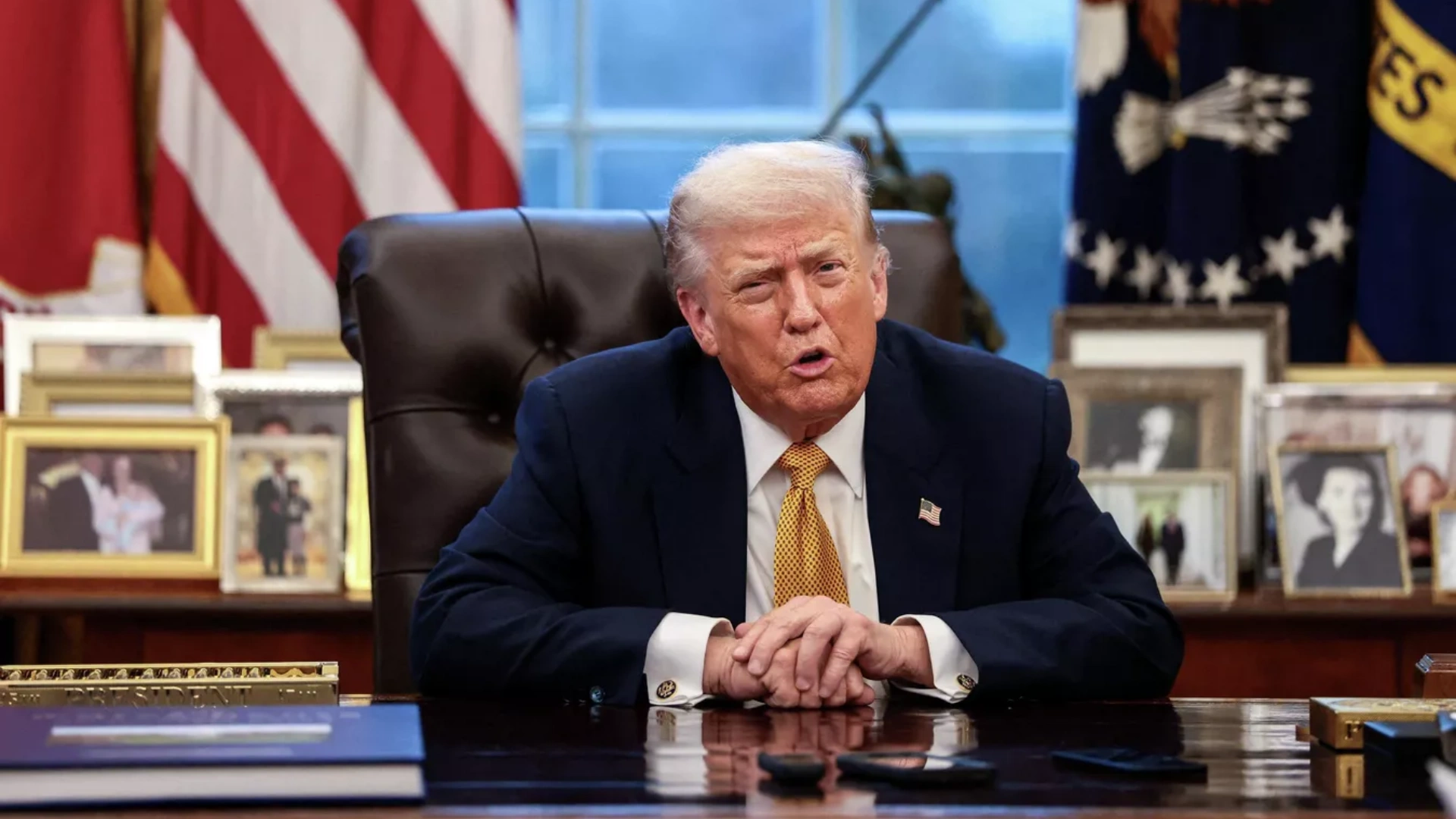
U.S. President Donald Trump’s proposal to relaunch American mediation in the long-running dispute with Ethiopia over a dam on the Nile River has received a positive response from Egypt and Sudan.
Egypt and Sudan said they welcomed President Trump’s offer to resume U.S. mediation in the dispute with Ethiopia over the Nile River dam, which has persisted for years.
Trump’s proposal came after Ethiopia brought Africa’s largest hydroelectric project, the Grand Ethiopian Renaissance Dam (GERD), online last autumn. The dam, which is expected to generate more than 5,000 megawatts of electricity, aims to double Ethiopia’s current energy capacity.
Egyptian President: We Are Open to Cooperation
In a statement shared on social media, Egyptian President Abdel Fattah el-Sisi said they value Trump’s interest in the Nile issue and stressed that Egypt is open to “serious and constructive cooperation” with Nile Basin countries based on the principles of international law. El-Sisi also noted that Egypt supports U.S. mediation efforts.
Sudan’s Sovereignty Council Chairman and Commander-in-Chief of the Sudanese Armed Forces, Abdel Fattah al-Burhan, said in a post on X that Trump’s initiative was “a step toward finding sustainable and satisfactory solutions that protect the rights of all parties.”
Trump’s ‘Mediation’ Letter
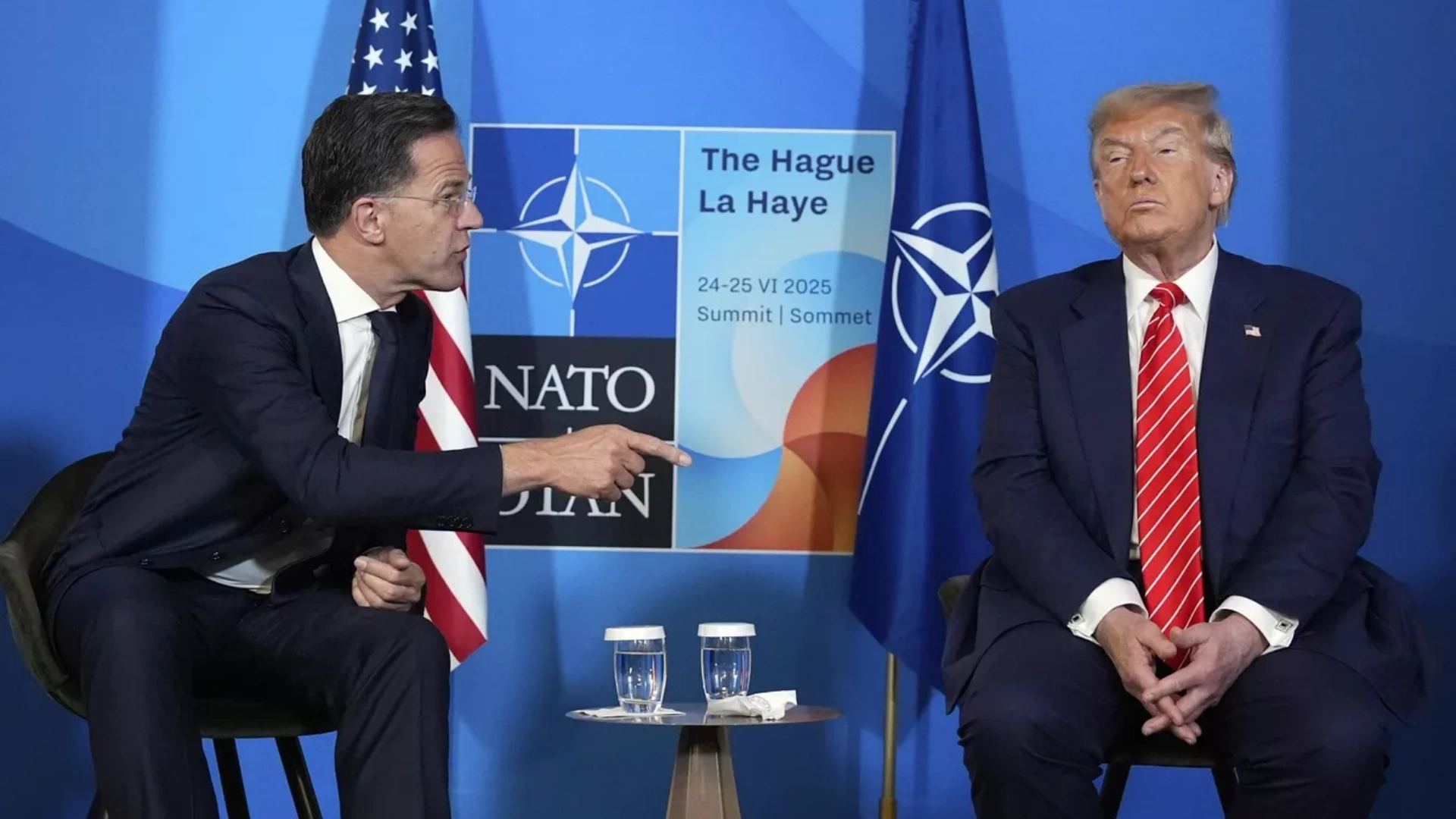
President Trump shared a letter he sent to Egyptian President el-Sisi on social media on Friday, stating that the United States is ready to relaunch mediation to resolve the sharing of Nile waters “in a responsible and lasting manner.”
The U.S.-led mediation process began during Trump’s first presidential term but effectively ended in 2020 when Ethiopia withdrew from the negotiations. Subsequent talks led by the African Union failed to produce a binding agreement.
The Water-Sharing Dispute
Egypt and Sudan have demanded a legally binding agreement on the filling and operation of the GERD, which is being built on the Blue Nile near the Ethiopia-Sudan border. Ethiopia, however, has argued for the application of non-binding guiding principles rather than a legally binding accord.
With most of its territory located in a desert climate, Egypt relies on the Nile River for the vast majority of the freshwater needs of its approximately 110 million people and has expressed concern that the dam could significantly reduce downstream water flows. Sudan, for its part, warns that a lack of coordination over the dam’s operation and reservoir filling could negatively affect its own dams.
Ethiopia maintains that the dam, which cost around $5 billion, is vital for providing electricity to a population with limited access to power. The dispute is said to center on the dam’s annual filling schedule, the amount of water to be released downstream during drought periods, and mechanisms for resolving future disagreements.