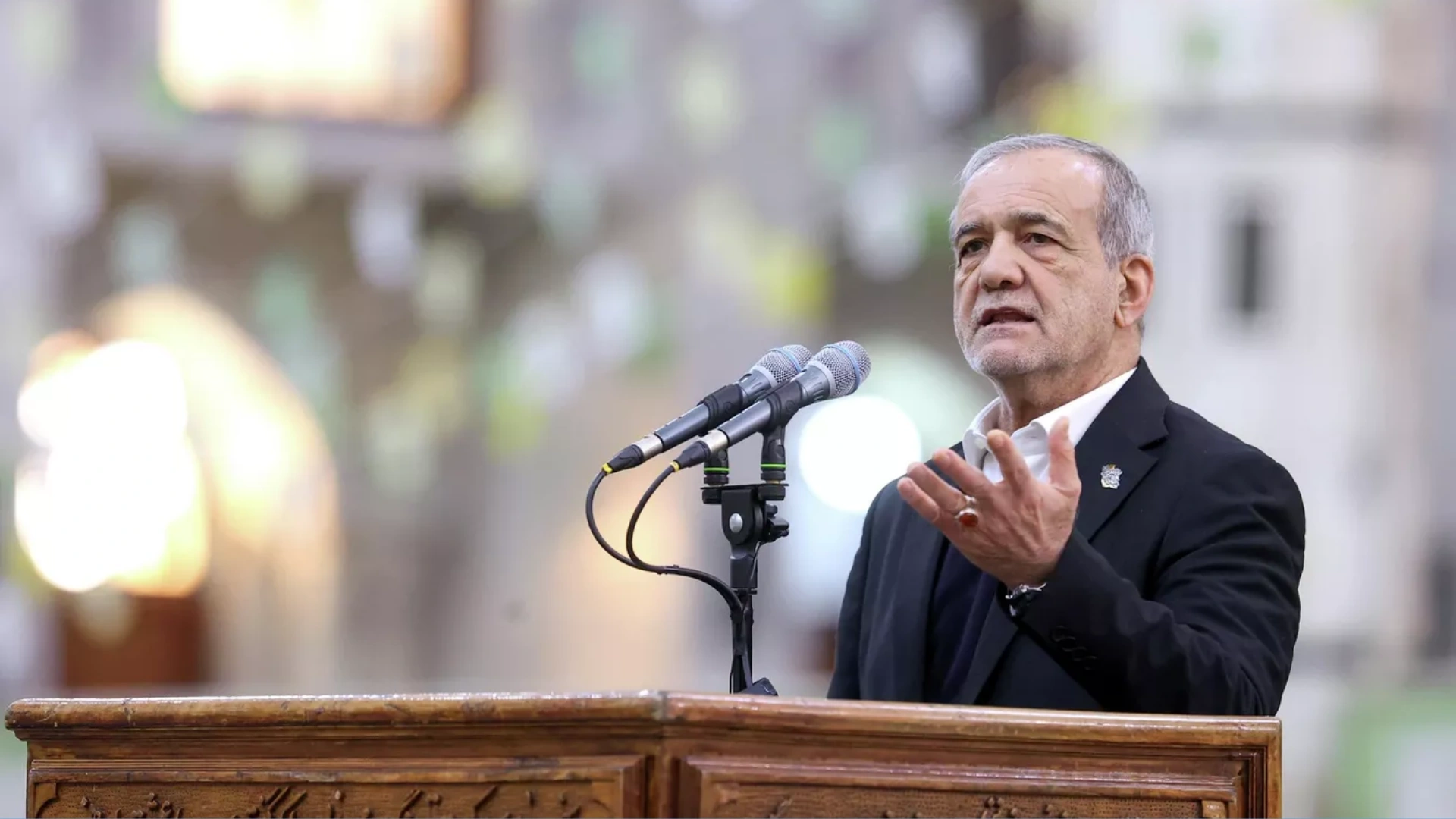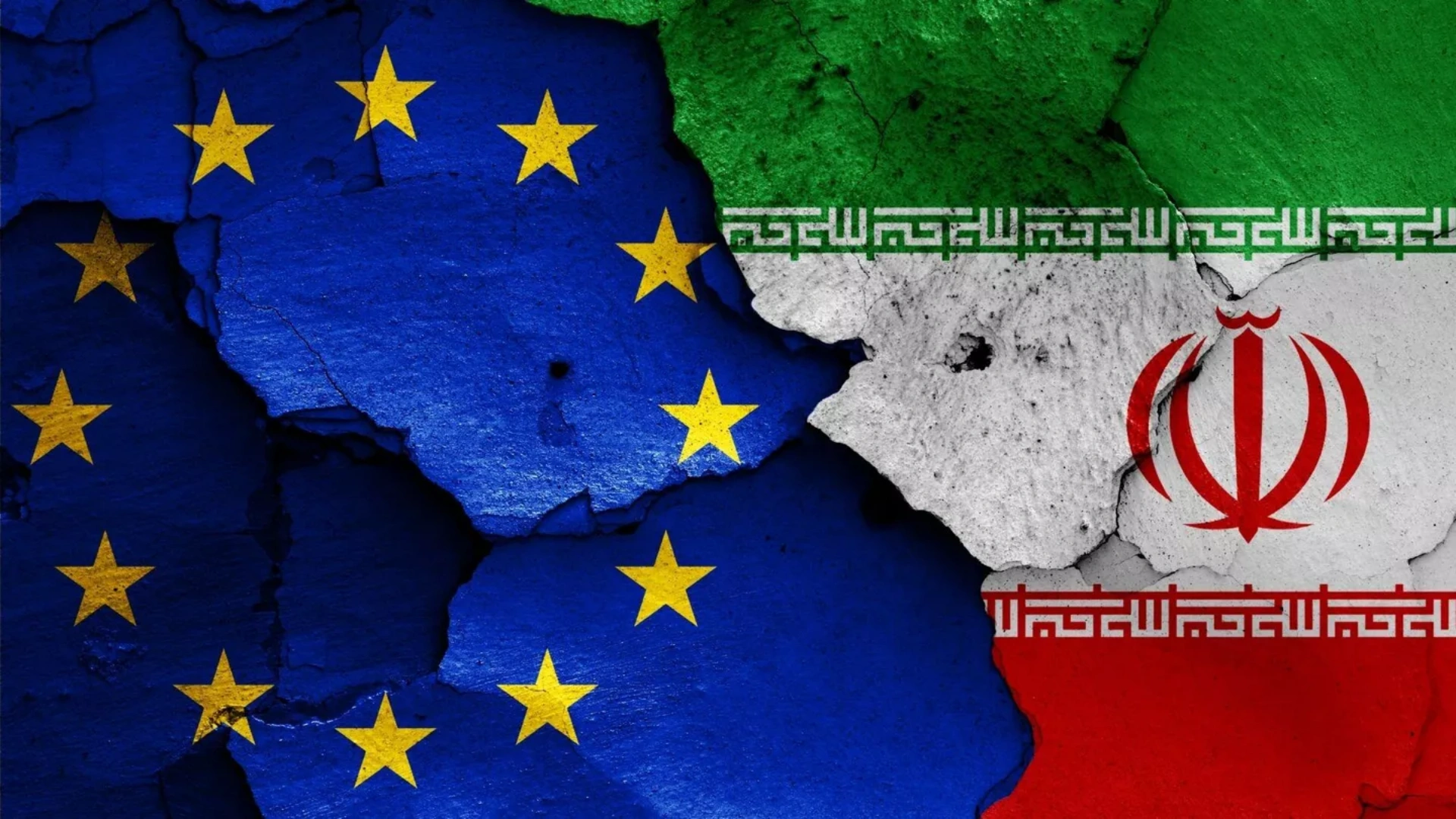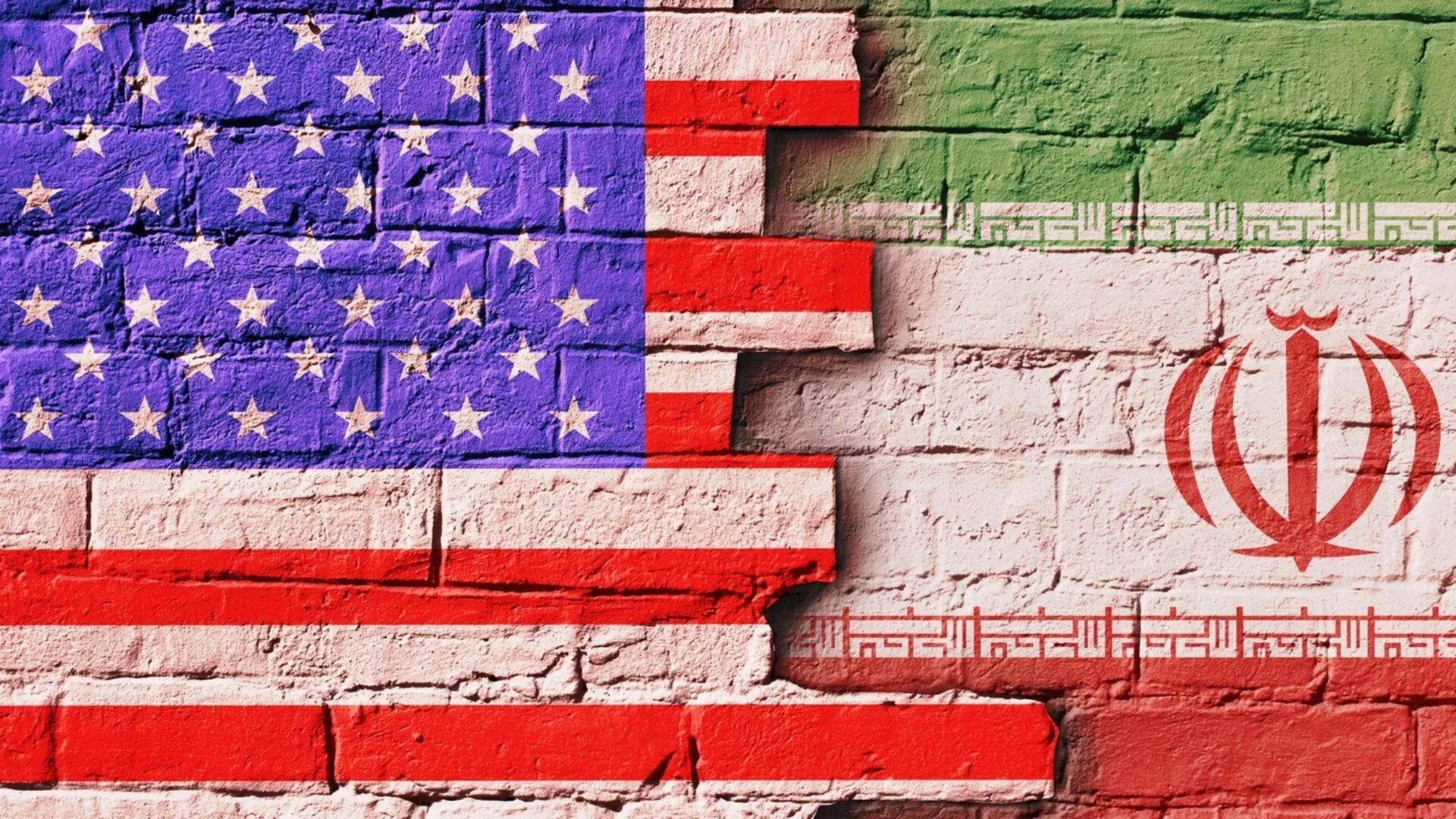
According to backstage reporting in the U.S. media, Washington and Tehran have signaled readiness for negotiations aimed at de-escalating tensions. Turkey, Egypt, and Qatar are reportedly working to organize talks in Ankara. Meanwhile, Iran’s Supreme Leader Ali Khamenei warned of a “regional war,” while Israeli media urged preparedness for “surprises.”
Reports say that the United States and Iran have conveyed mutual willingness to negotiate, with mediators attempting to arrange a meeting in Ankara. Speaking to Virginia-based Axios, a senior U.S. official said that President Donald Trump’s administration is open to starting talks as soon as possible.
According to the report, Turkey, Egypt, and Qatar are conducting diplomatic efforts to organize a meeting in Ankara between the White House’s Middle East envoy Steve Witkoff and Iranian officials.
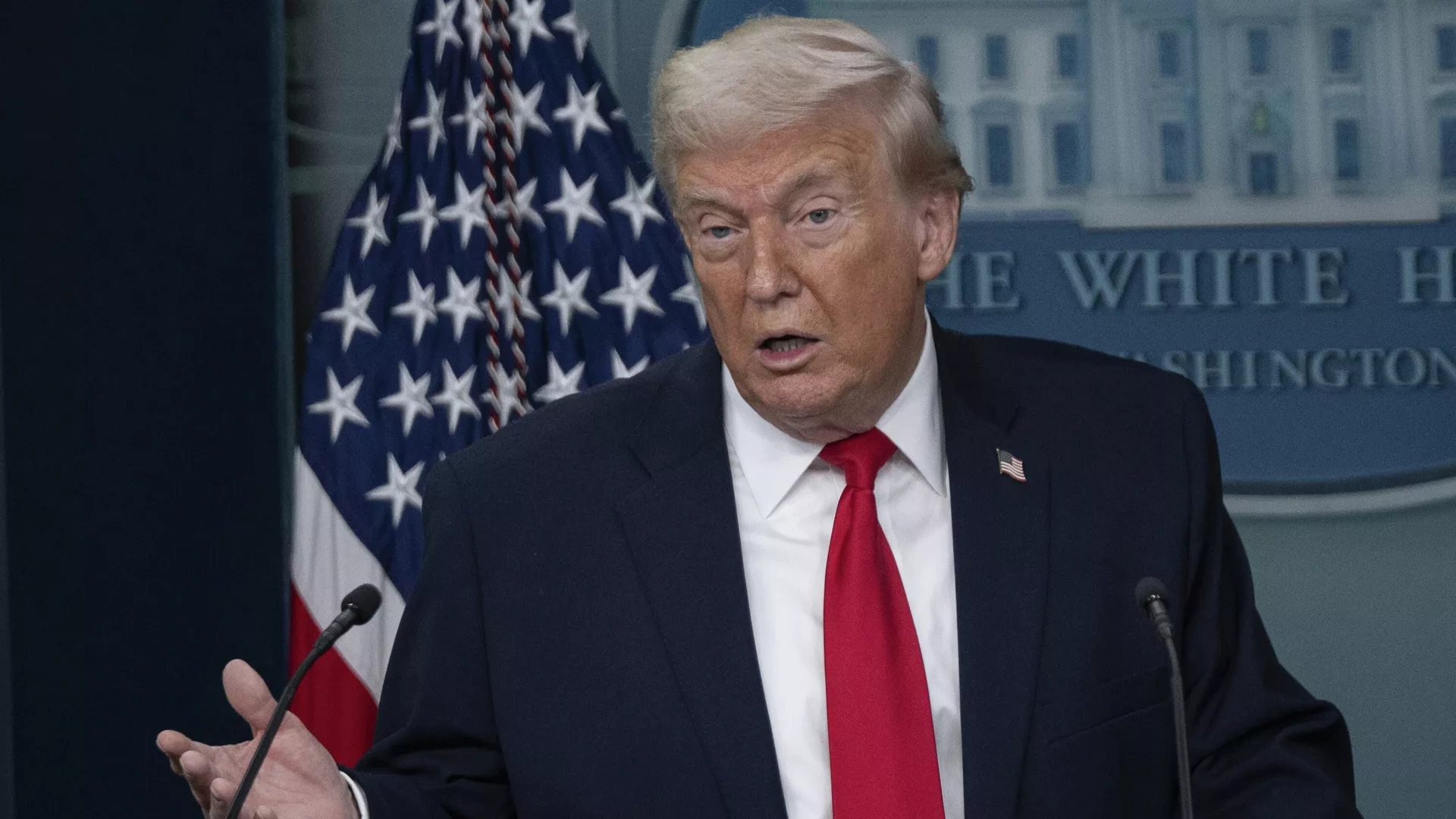
U.S. officials argued that Trump’s calls for an agreement are not a “deception” tactic ahead of a military operation but reflect a genuine desire for negotiations. While Washington has increased its military presence in the Middle East in recent weeks, Trump described the deployment as a “massive armada.”
Speaking to reporters, Trump referred to recent remarks by Iranian leader Ali Khamenei warning that a U.S. attack could trigger a regional war, saying, “I hope we can make a deal. If we can’t, then we’ll see who was right.”
According to Iranian media, Khamenei made the statement while addressing the public at his residence in Tehran on the occasion of the 47th anniversary of the Islamic Revolution, saying, “Americans should know that if they start a war, this time the war will be regional.”
Iran: Talks Should Be Limited to the Nuclear File
Meanwhile, Iranian Foreign Minister Abbas Araghchi said in an interview with CNN that an agreement with the United States on Iran’s nuclear program is possible, stating, “I am confident that an agreement is achievable.”
Araghchi said trust in the United States has been damaged but described contacts conducted through intermediaries as “productive.” He added that negotiations should be limited solely to the nuclear issue.
Rejecting demands to limit Iran’s ballistic missile capabilities and its affiliated armed groups in the region, Araghchi said, “Let’s not talk about impossible things.”
Tehran denies accusations that it seeks to develop nuclear weapons. The United States and Israel, however, cite Iran’s high-level uranium enrichment, restrictions on international inspections, and expansion of its missile program as evidence.
‘Prepare for the Possibility of Surprises’
Former head of Israeli military intelligence Amos Yadlin told Channel 12 that the possibility of Iran making the first move to prevent a potential U.S. strike should not be dismissed. Yadlin said the military must be prepared for “surprise” scenarios.
Noting that the side that strikes first has gained significant strategic advantages in recent regional conflicts, Yadlin emphasized the importance of establishing operational coordination and a “de-confliction mechanism” between the Israeli and U.S. militaries.