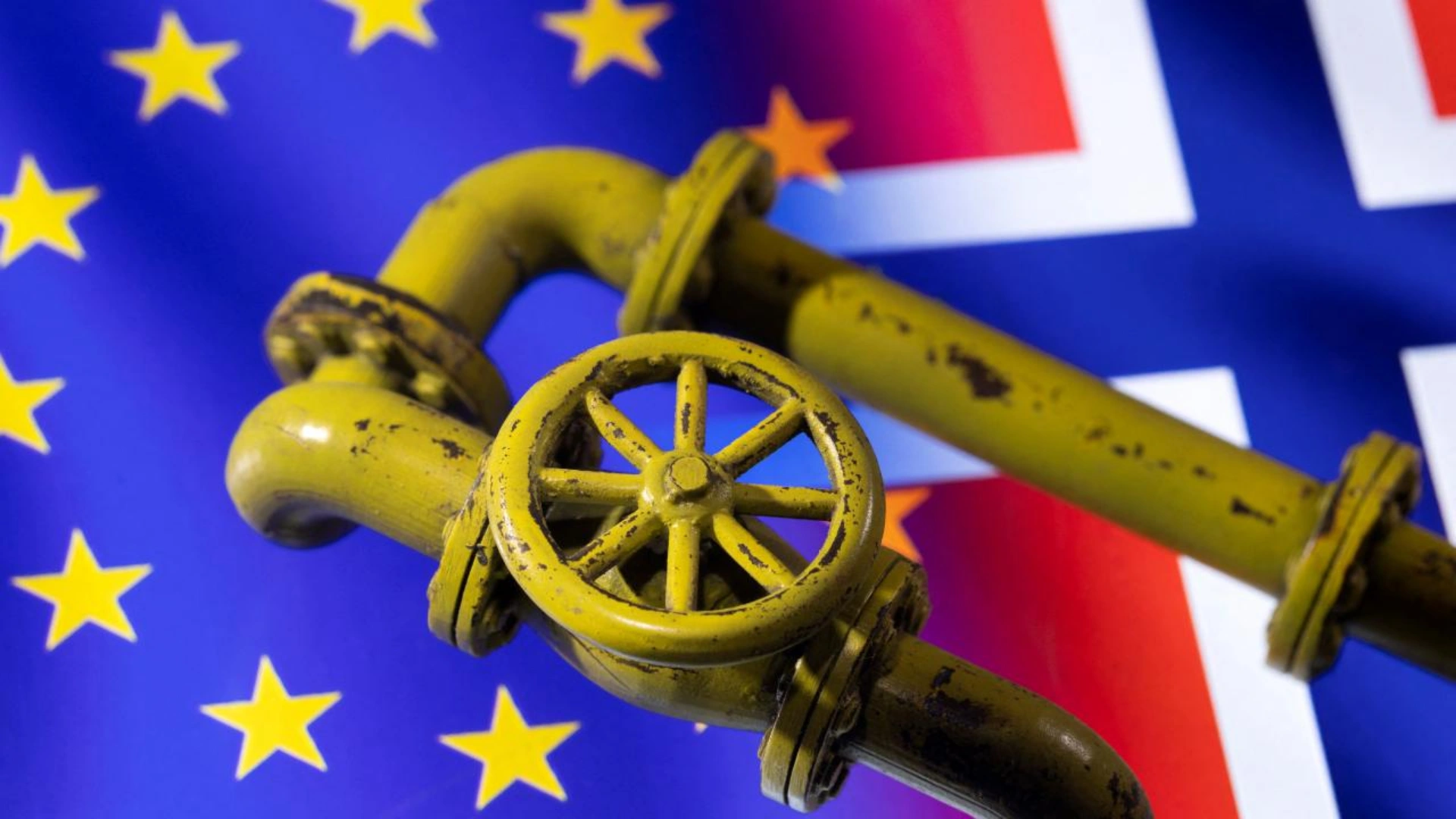
Citing the supply crisis caused by the wars in Ukraine and the Middle East, Norway is strengthening its role as Europe’s largest energy supplier by expanding oil and natural gas fields despite environmental backlash.
The Norwegian government announced that, rather than winding down energy activities on its continental shelf, it has decided to expand them further, emphasizing that the country has taken on a critical responsibility for Europe’s energy security.
Energy Minister Terje Aasland stated that three natural gas fields that were shut down nearly thirty years ago will be brought back into production by 2028 in order to help close the energy gap created by the war in Ukraine and instability in the Middle East. This move is seen as part of the country’s strategy to maintain fossil fuel production at current high levels over the next decade.
Norway, which currently has 97 active oil fields, aims to increase this number to over 100 within the next two years. The Barents Sea has been designated as the country’s new energy frontier, while Equinor, the state-majority-owned energy company, plans to invest billions of dollars annually through 2035 to maintain production levels.
These investments are not only aimed at securing energy supply, but also at guaranteeing jobs for more than 200,000 people working in the sector and ensuring a steady flow of income for Norway’s massive sovereign wealth fund.
However, the government’s determined stance has drawn sharp criticism from environmental organizations and some political groups. The opposition argues that the recommendations of environmental agencies are being ignored and accuses the government of “greenwashing.”
Despite the criticism, the Oslo administration continues new exploration and drilling activities, unlike neighboring Britain, positioning itself as an “energy superpower” that supplies one-third of Europe’s natural gas demand.