
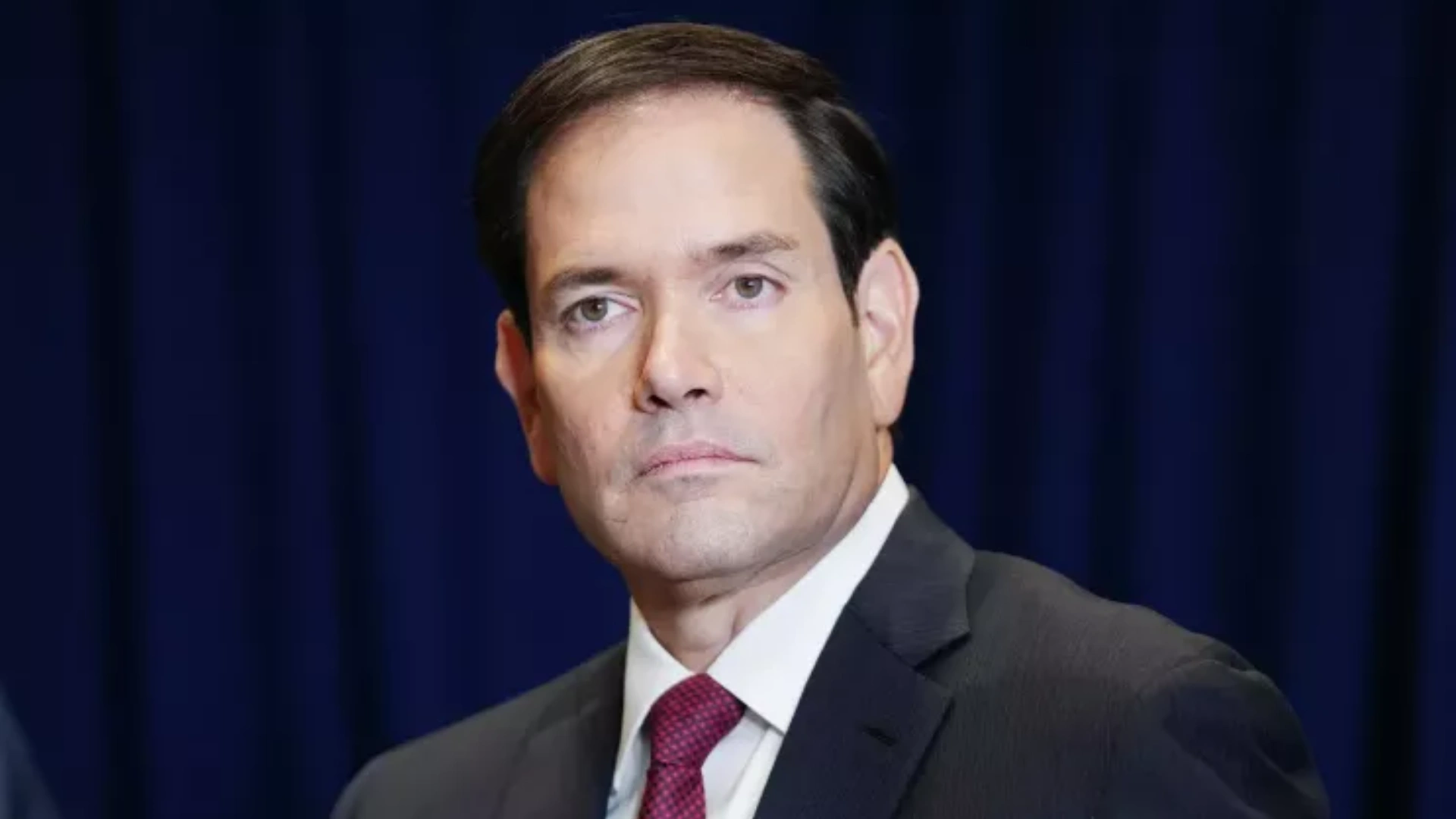
Speaking at the Munich Security Conference, U.S. Secretary of State Marco Rubio said that the idea of a world without borders and of a global order replacing national interests was foolish.
Rubio addressed the role of the United States in efforts to resolve the conflict in Ukraine, while also criticizing the migration crisis in the West and the concept of globalization.
Peace Talks
Stating that it has become clear that the United Nations (UN) is not capable of ending the conflict in Ukraine, the U.S. official said:
“Together with many of the countries present here today, there has emerged a need for U.S. leadership to bring both sides to the negotiating table.”
Rubio noted that Moscow and Kyiv have managed to narrow the list of disputed issues and that work continues on matters awaiting resolution. He added that they will continue efforts to shape conditions acceptable to Russia, stating:
“I believe no one present here would oppose a negotiated end to this war, as long as the terms are fair and sustainable.”
At the same time, the U.S. diplomat emphasized that the United States has not suspended its initiatives in supplying arms through NATO countries to meet Ukraine’s needs.
The Failure of Globalization
Rubio stated that Western countries should not abandon global institutions, but that these institutions must be reformed and updated. He continued:
“The idea of a world without borders was foolish. It ignored human nature and the lessons of more than 5,000 years of human history — and that mistake has cost us dearly.”
The U.S. official argued that Washington and its allies ceded elements of their sovereignty to international institutions, and that many countries reduced their defense capabilities while investing more heavily in social welfare systems.
Rubio claimed that the United Nations has great potential, but has no answers to the most urgent issues and plays almost no role.
Europe’s Future
Rubio said that disagreements between the United States and Europe stem from concerns about Europe’s future, arguing that the U.S. wants Europe to be stronger and capable of sustaining itself.
He also criticized the unprecedented scale of mass migration in the West, stating that it threatens the unity of Western countries.