
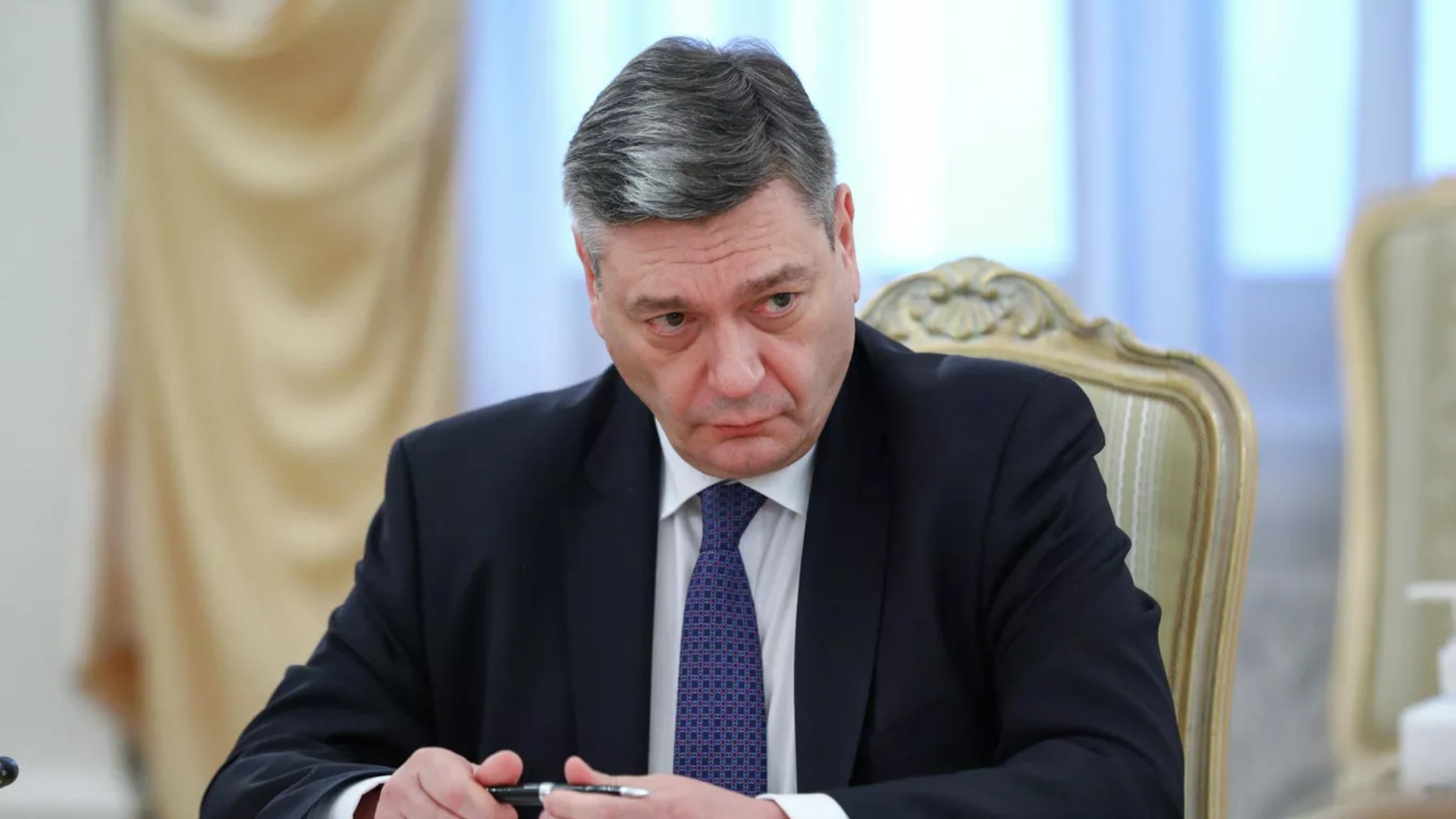
Russian Deputy Foreign Minister Andrey Rudenko stated that countries supporting the price cap mechanism will not receive Russian oil supplies.
In remarks to the Russian press, Rudenko responded to a question about whether the possibility of selling Russian oil to “hostile” countries such as Japan was being discussed.
“Energy markets are currently experiencing significant volatility. Energy shortages are growing and prices are rising. However, the Japanese government remains committed to the price cap on Russian-origin oil. This is a market-distorting measure that disrupts supply chains. As we have repeatedly stated before, Russia will not supply oil to countries that support this provocative measure,” Rudenko said.
Thailand had previously signaled that it is open to purchasing oil from Russia.
In Japan, Mitsuhiro Kimura, head of the nationalist organization Issui-kai, told Sputnik in an interview that Japan had missed an opportunity by refusing to buy Russian oil despite the partial easing of U.S. sanctions, and criticized the country’s authorities.
Since the outbreak of the Middle East crisis, Japanese officials—particularly Foreign Minister Toshimitsu Motegi—have refused to reconsider their sanctions policy against Moscow, even though the United States partially eased restrictions on Russian oil due to rising global oil prices.
The G7 countries, Australia, and the European Union introduced a price cap of $60 per barrel on Russian seaborne oil starting December 5, 2022.
The European Union lowered this cap to $44.1 per barrel as of February 1, 2026.
In response to Western measures, Russian President Vladimir Putin banned the supply of petroleum products to foreign entities if price cap mechanisms are included in contracts.