
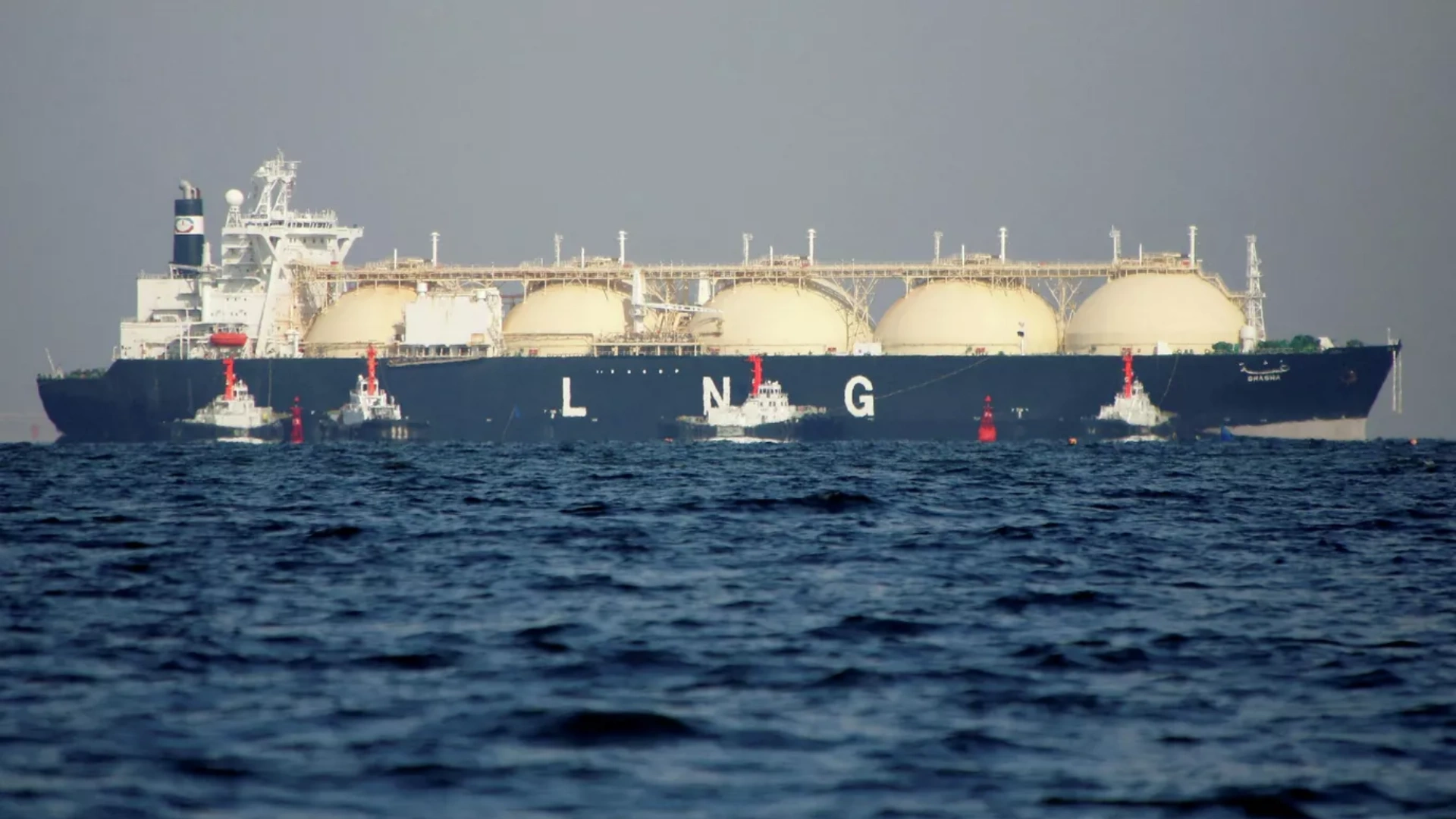
Rising tensions in the Middle East could leave European countries—already moving away from Russian oil—without access to American liquefied natural gas (LNG).
George Papadopoulos, a former adviser to U.S. President Donald Trump, issued critical warnings that escalating tensions in the Middle East could reshape the balance of global energy markets.
Speaking to Sputnik, Papadopoulos stated that deepening conflicts in the region and rising prices could divert American LNG away from Europe toward Asian markets offering higher profit margins.
Papadopoulos said, “Due to a potential closure of the Strait of Hormuz and extremely high prices in Asia, American LNG will be redirected to Asia instead of Europe.”
Disruption in the Strait of Hormuz threatens supply security
The ongoing conflicts in the Middle East have effectively rendered the Strait of Hormuz—a key strategic transit route—nonfunctional, creating a breaking point in the global energy supply chain.
The closure of this route, through which approximately 20% of the world’s oil and gas shipments pass, has driven energy prices to record levels as of March.
Suppliers shifting toward more profitable Asian markets are increasing pressure on Europe, which remains heavily dependent on external energy sources.
Impact of regional conflicts on energy markets deepens
The operations launched by the United States and Israel against targets in Iran at the end of February, followed by Tehran’s retaliatory actions, have pushed the region to the brink of a full-scale war.
Mutual attacks targeting civilian areas and military facilities have reduced oil production capacity in the region while also undermining transportation security.
Experts warn that if geopolitical risks remain at this level, Europe could face a severe energy shortage during the winter months.
Source: Sputnik