
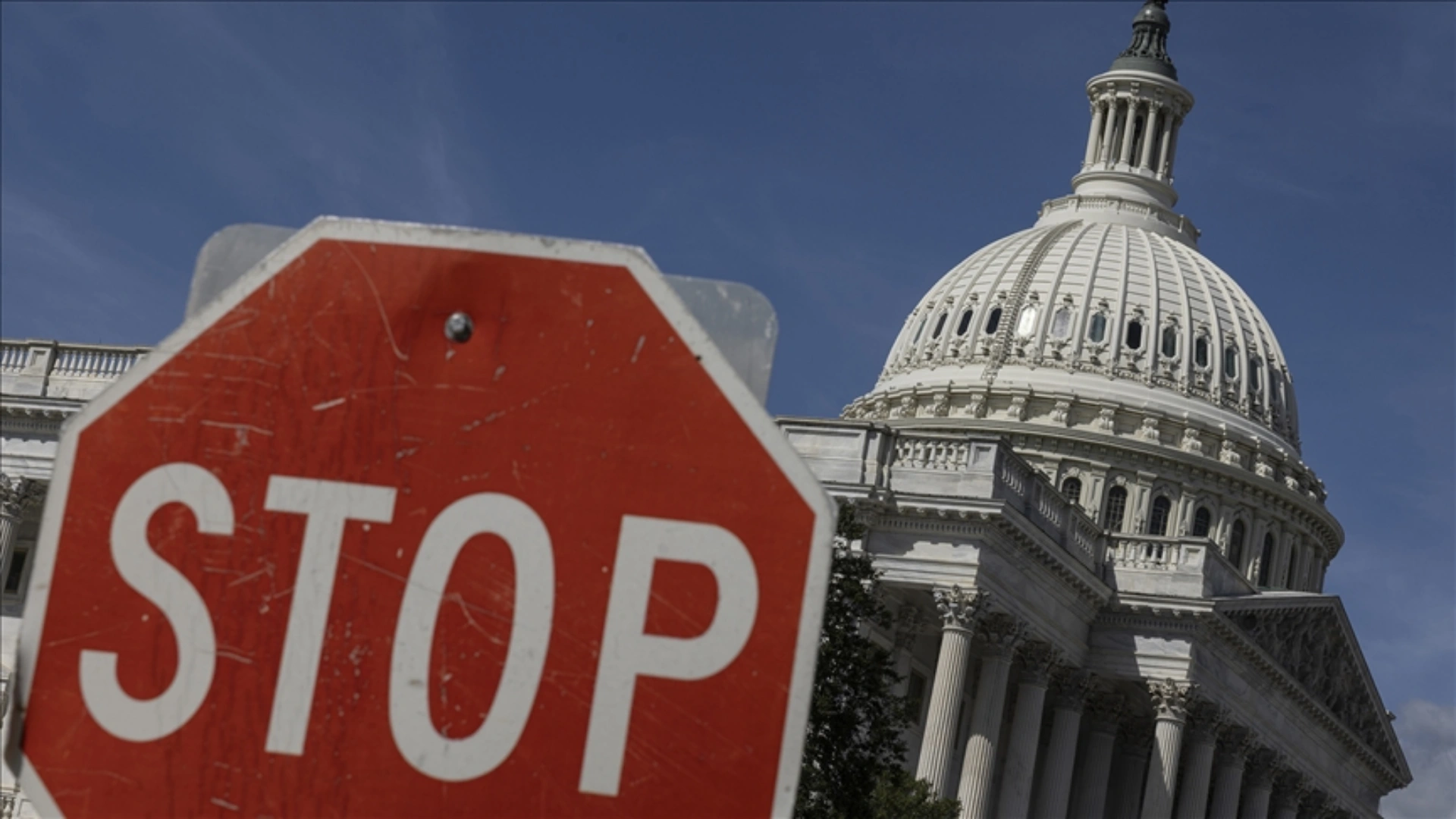
The U.S. federal government has partially shut down after the House of Representatives failed to vote on a budget package, despite its approval by the Senate.
As the temporary funding measure that provided financing for most federal agencies expired at midnight local time on January 30, the legislative process for the budget package approved by the Senate could not be completed.
Although the package—which includes bills funding the Departments of Defense, Transportation, Housing and Urban Development, Health and Human Services, Labor, and Education through September, as well as a two-week temporary funding measure for the Department of Homeland Security—passed the Senate, the House of Representatives’ decision not to convene over the weekend led to a partial shutdown of the federal government.
Budget Passed with 71 Votes
In a Senate vote, the budget package was approved by 71 votes to 29.
Due to amendments made to the bills, the package was sent back to the House of Representatives.
While the enactment of the budget package requires approval by the House and the signature of U.S. President Donald Trump, spending authority for most federal agencies expired as of midnight local time.
Following the House’s consideration of the budget package on Monday, the bill is expected to be sent to President Trump for signature, and the partial shutdown is anticipated to end shortly thereafter.
The short-term shutdown is not expected to cause significant disruptions to most federal services.
U.S. Experienced Its Longest Government Shutdown Last Year
The U.S. federal government most recently shut down on October 1, 2025, after Congress failed to pass a temporary funding bill before the start of the 2026 fiscal year.
Federal agencies that lost spending authority were forced to suspend operations, and disagreements between the parties led to the longest government shutdown in U.S. history.
The federal government remained closed for 43 days, until the shutdown ended on November 13, 2025, when President Donald Trump signed a budget bill providing funding for most federal agencies through January 30 and for some agencies for the remainder of the fiscal year.