Indirect talks between Iran and the United States, which began around 11:00 a.m. (local time) today in Muscat, the capital of Oman, have concluded for the day. While Iran’s Foreign Ministry signaled that negotiations will continue, officials described the talks as “a good start.”
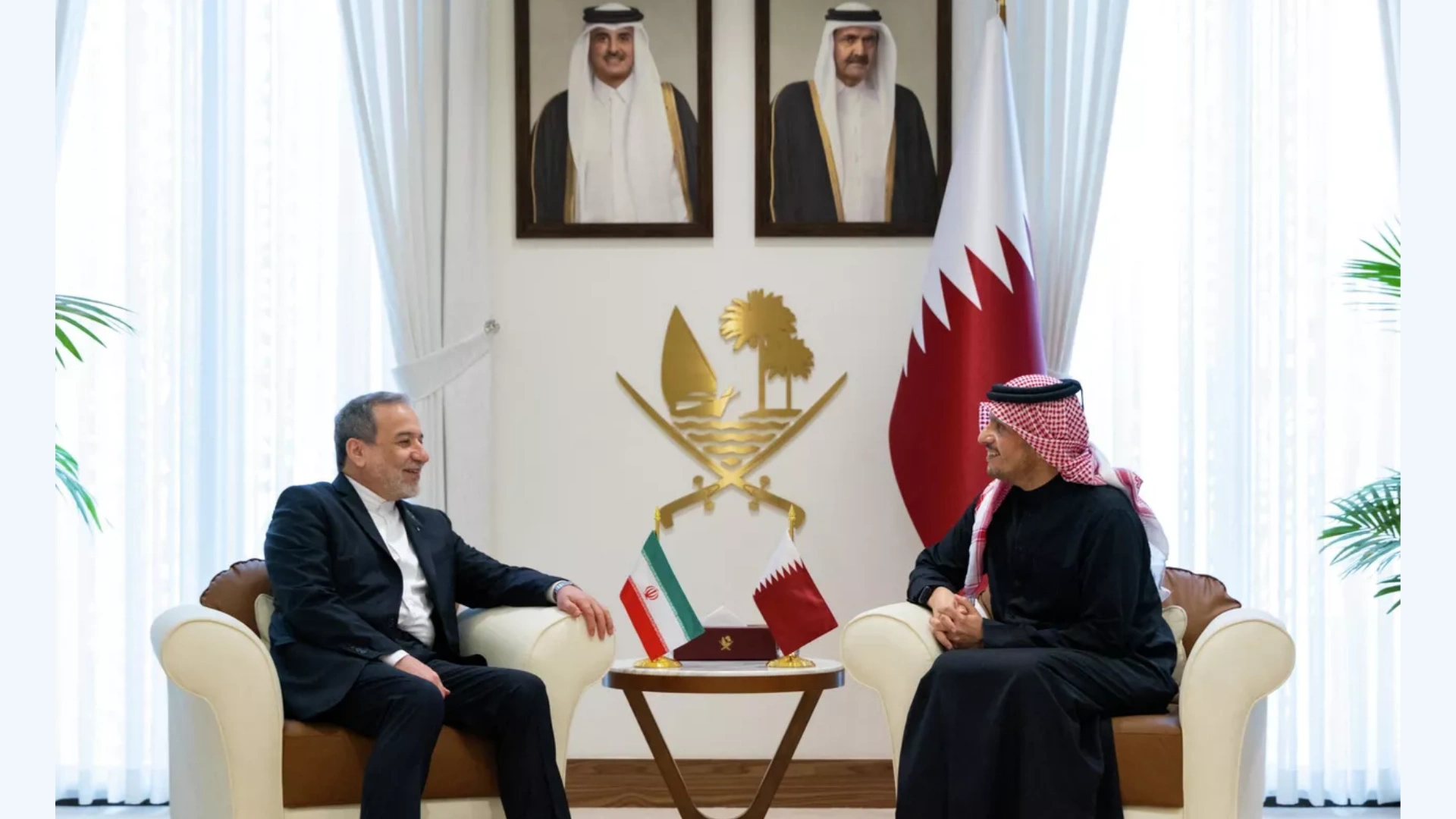
According to Iranian state television, Oman’s Foreign Minister Badr bin Hamad Al Busaidi mediated the exchange of messages between Iranian Foreign Minister Abbas Araghchi and U.S. Special Envoy Steve Witkoff in two rounds during the talks.
In a statement, Iran’s Foreign Ministry said that “Iran and the United States have agreed to continue negotiations, but consultations will first be held in the two capitals.”
Foreign Minister Araghchi said that the talks with the United States were “a good beginning,” adding that both sides had reached an understanding on how the negotiations would proceed.
Araghchi, Kushner, Witkoff
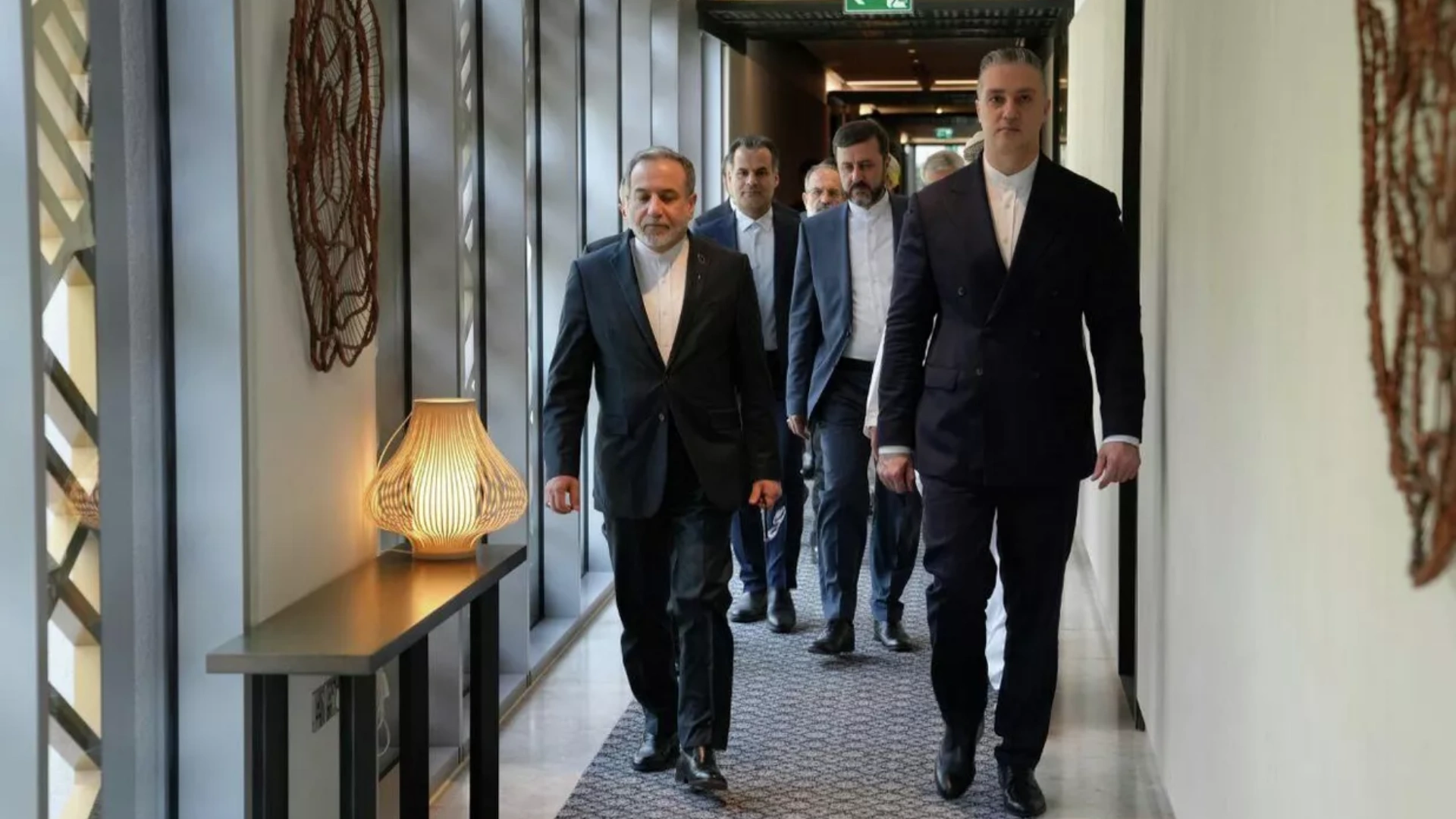
The negotiations, which started around 11:00 a.m. in Muscat, were led by Foreign Minister Abbas Araghchi on behalf of Iran and by U.S. President Donald Trump’s Middle East Special Envoy Steve Witkoff on behalf of the United States. Witkoff was accompanied by Trump’s son-in-law and adviser Jared Kushner, as well as U.S. Central Command (CENTCOM) Commander General Brad Cooper.
Araghchi was accompanied by Deputy Foreign Minister for Political Affairs Majid Takht-Ravanchi, Deputy Foreign Minister for Economic Affairs Hamid Kanberi, and Deputy Foreign Minister for Legal Affairs Kazem Gharibabadi.
It was reported that the talks focused on creating suitable conditions for the resumption of diplomatic and technical negotiations, with both sides emphasizing the importance of determination to bring the process to a successful outcome.
Core Disputes Between the Parties
Nuclear negotiations between Iran and the United States resumed following a 12-day war.
The diplomatic process, which had been disrupted by Israeli and U.S. strikes on Iran in June 2025, was revived through efforts by regional countries, including Türkiye.
Issues such as uranium enrichment and the removal of highly enriched uranium from Iran continue to be the main points of contention in the negotiations.
Iran is seeking the lifting of sanctions in return for limiting its nuclear program in a way that would prevent the production of an atomic bomb, while the United States is demanding a complete halt to Iran’s uranium enrichment activities and the transfer of highly enriched uranium out of the country.
The U.S. administration also wants to bring Iran’s missile program and its support for armed groups in the region onto the negotiating table. Iran, however, has stated that it will not negotiate issues beyond its nuclear program.