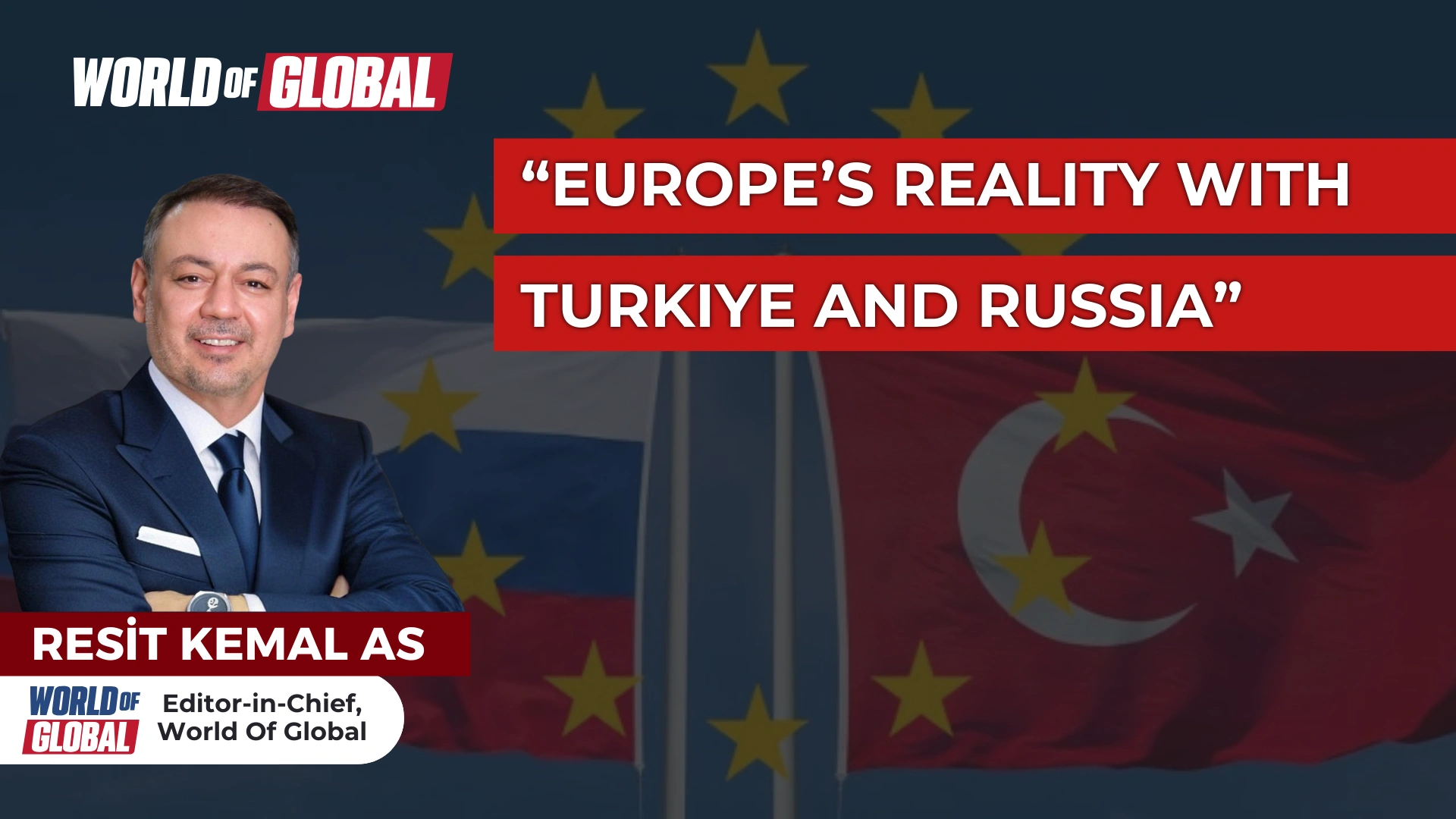
Resit Kemal As / Editor-in-Chief, World of Global
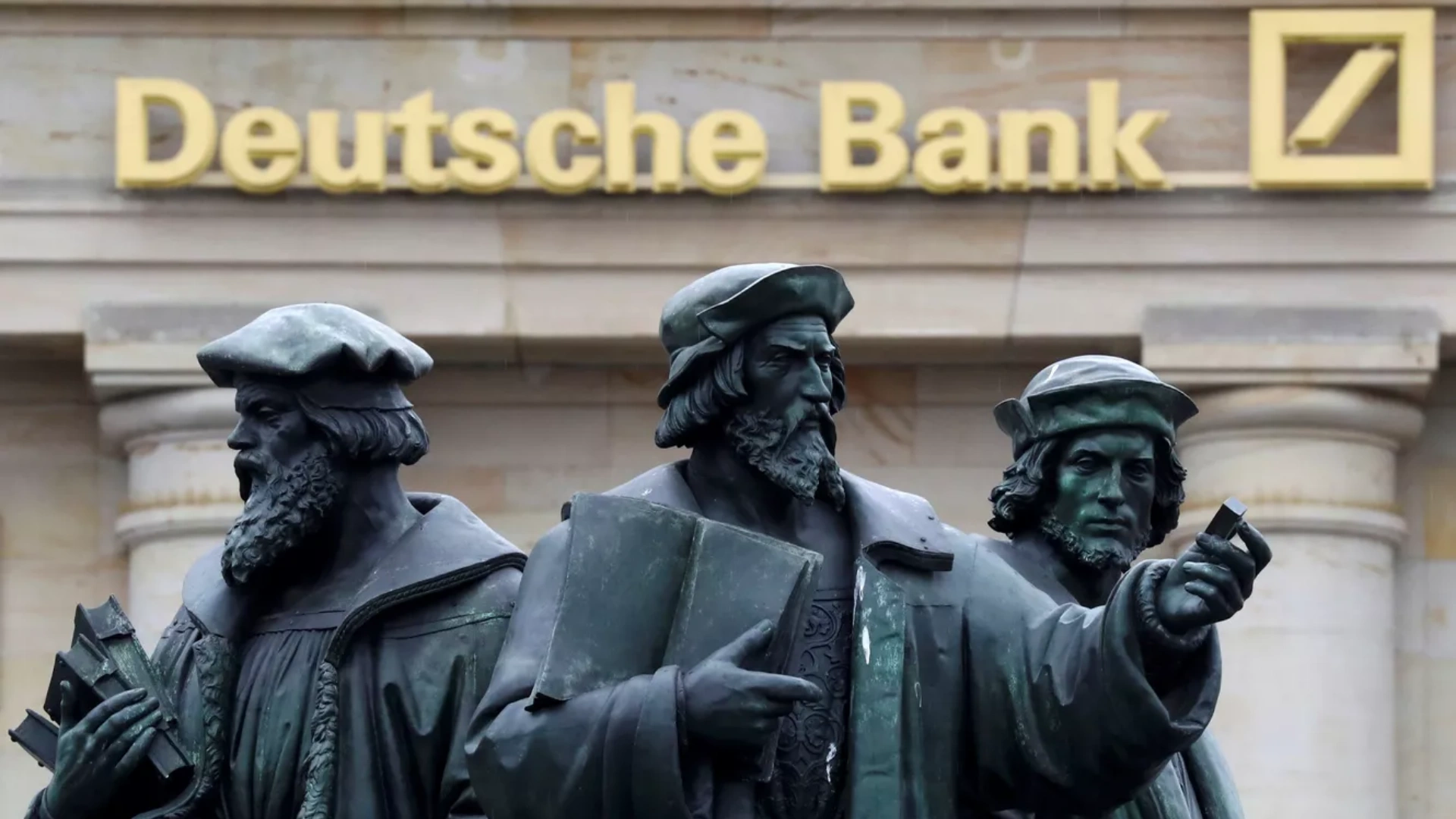
There is no denying the picture before us: Europe has been sinking for quite some time.
What we see today is a continent that is economically slowing down, politically fragmented, and strategically indecisive. From the energy crisis to waves of migration, from the security dilemma created by the Ukraine war to its growing dependence on the United States, Europe has become unable to carry the burden of the order it once established. It is precisely at this point that Europe’s renewed attempt to enter a process of recovery with Turkiye and Russia is presented as a “necessity.”
Yet the truth is this: more than a necessity, it is the late activation of long-overdue reason.
For many years, Europe considered itself the center of the world. It believed it was the side that set norms, exported values, and wrote the rules. This approach—looking down on Turkiye while assuming Russia could be disciplined through exclusion—suffered its first major blow during the energy crisis. It was realized far too late that pushing Russia out of the equation was not a political victory, but an act of economic self-destruction. As natural gas bills soared, industrial production declined, and citizens took to the streets, “principles” gave way to “realities.”
On the Turkish front, however, the mistake ran even deeper. Europe kept Turkiye waiting at the door for years—neither admitting it inside nor fully walking away. It knew Turkiye’s strategic importance but refused to acknowledge it. Yet Turkiye stands at the center of energy transit routes, is a key country in managing the migration crisis, and remains an indispensable actor on NATO’s southern flank. Europe accepted this reality only when faced with migration waves reaching its borders, shifting balances in the Black Sea, and growing uncertainty in the Middle East. Today’s search for “normalization” with Turkiye is not the product of vision, but of obligation.
The issue of Russia is perhaps the clearest example of Europe’s strategic blindness. By assuming it could weaken Moscow through isolation, Europe instead cornered itself. Energy dependency did not disappear; it merely became more expensive and more fragile. While Russia turned its face toward Asia, Europe lost both economic and geopolitical weight. If signals of renewed dialogue are now emerging, this is not the result of a peaceful awakening, but the collapse of an unsustainable policy.
The core problem is this: Europe still presents this move as a kind of “favor.” Yet unless it learns to sit at the table as an equal, this recovery will not be sustainable. Turkiye and Russia are no longer peripheral actors of an old, Europe-centered world. They are countries capable of building their own spheres of influence, developing alternative alliances, and moving forward when necessary despite the West. The longer Europe delays accepting this reality, the more painful its recovery will be.
The steps being taken today may be correct, but the timing is telling. This is not a display of strategic brilliance, but a delayed reflex. Europe has embarked on this path because it has been forced to acknowledge its diminishing power. Perhaps this is the healthiest place to begin: recognizing one’s own weakness. Yet genuine recovery is possible not only when interests intersect, but when mutual respect is established.
If Europe continues to extend its hand from above while it is sinking, this process will not be salvation—only a brief moment to catch its breath. History does not forgive belated moves; it merely records them.