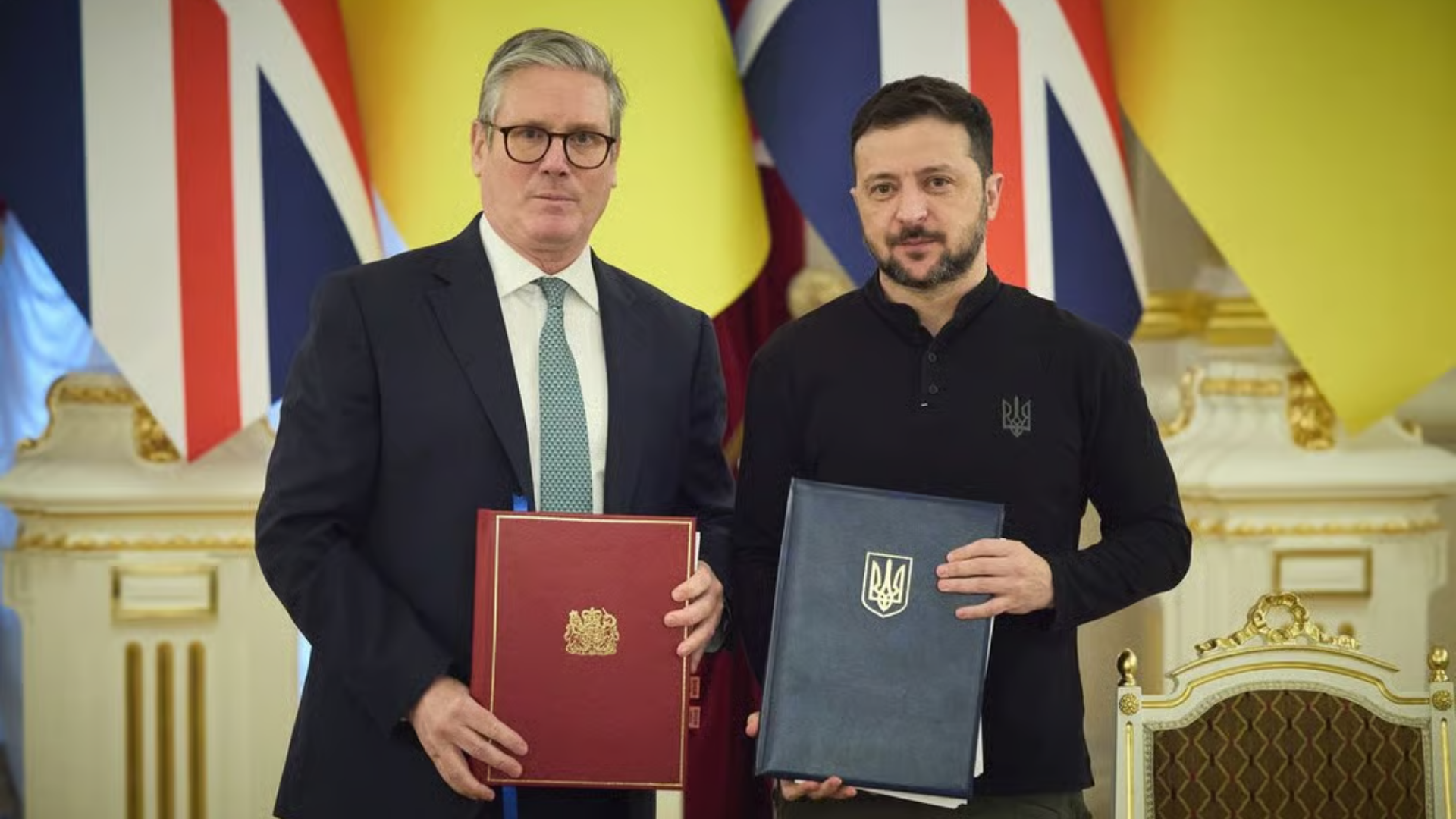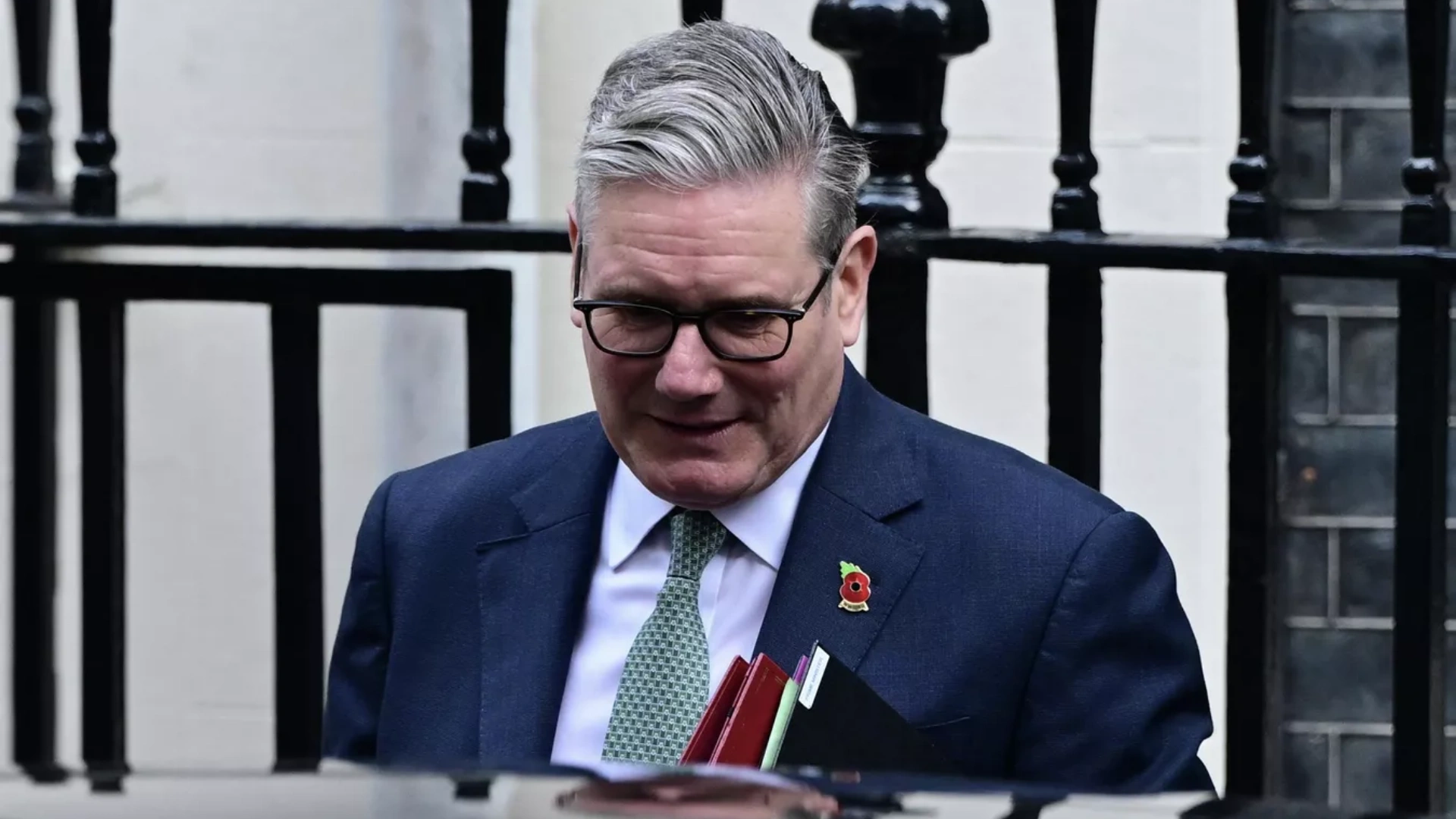
UK Prime Minister Keir Starmer stated that they are working with allies on a plan to reopen maritime traffic in the Strait of Hormuz, emphasizing that the operation will not be conducted under NATO auspices.
Speaking at a briefing, Starmer said:
“We are working with others to develop a credible plan that will allow us to reopen maritime traffic in the Strait of Hormuz… Let me be clear: this will not be a NATO mission, and it was never intended to be one. It will have to be a coalition of partners; that’s why we are working with partners in Europe, the Gulf, and the United States.”
U.S. President Donald Trump called on China, France, Japan, South Korea, the United Kingdom, and other countries to send warships to ensure the security of the Strait of Hormuz, one of the world’s most critical oil transit routes. He warned NATO allies that the alliance would face “a very bad future” if they failed to secure the strait.
Polish Foreign Minister Radosław Sikorski rejected Trump’s proposal, stating that Poland has “no plans to participate in such a mission.” According to the Financial Times, France also declined Trump’s initiative. Paris is reportedly holding talks with European, Gulf, and other countries to conduct joint patrols in the strait after conflicts in the Middle East subside.
EU High Representative for Foreign Affairs Kaja Kallas said, ahead of a meeting of EU foreign ministers in Brussels, that the EU would raise the possibility of expanding its Aspides naval mission to the Strait of Hormuz. Under this mission, Greek and Italian vessels are currently protecting ships in the Red Sea. Greek government spokesperson Pavlos Marinakis, however, stated that Greece—an important naval power within NATO—would refuse to participate if the mission were extended to the strait.