
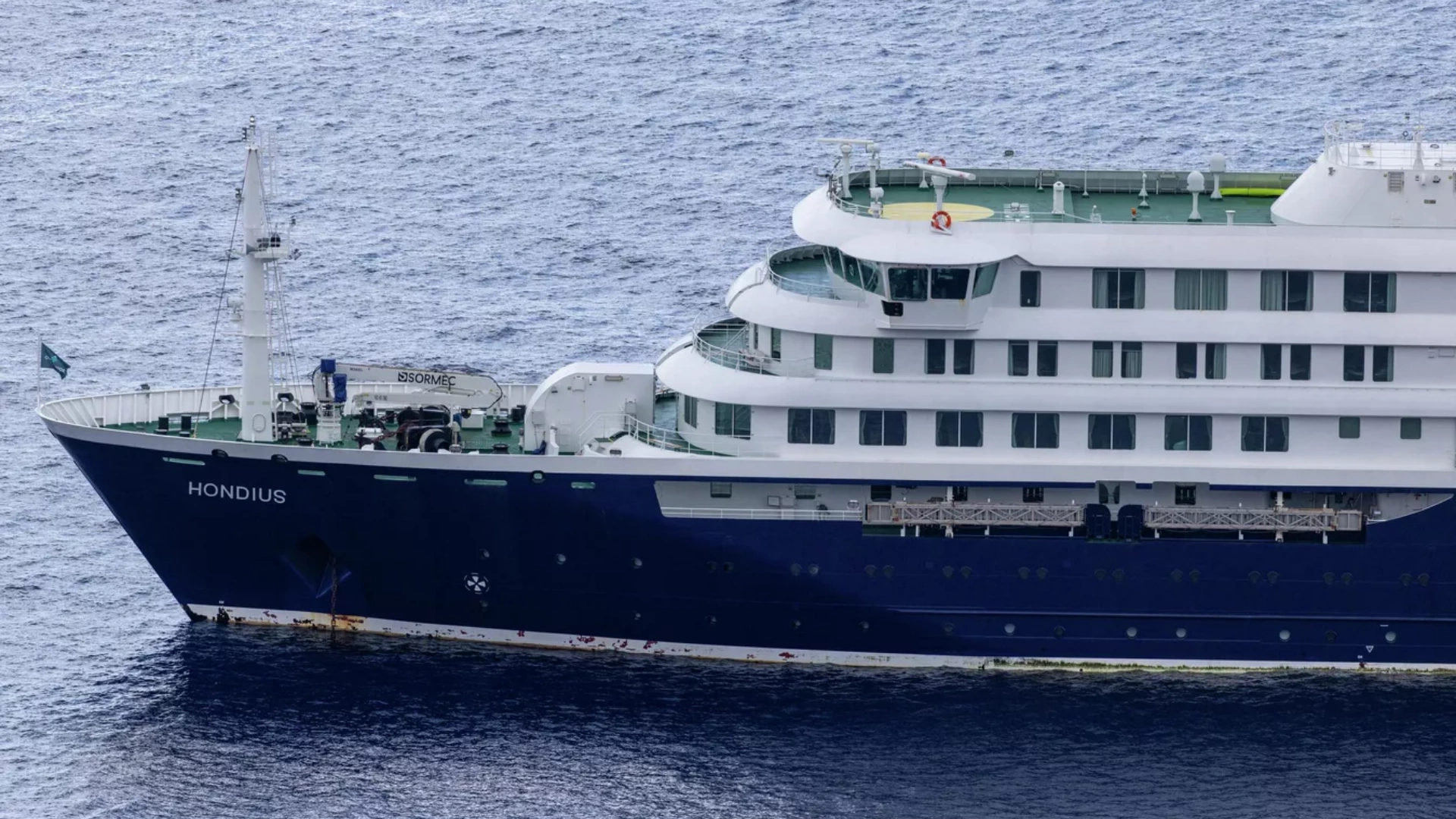
Following the hantavirus outbreak aboard the cruise ship MV Hondius in the Atlantic Ocean, symptoms were detected in one of the evacuated French passengers during the return flight. France placed the passengers under strict isolation measures, while quarantine precautions were also activated in several other countries.
A French passenger evacuated from the Dutch-flagged cruise ship MV Hondius, which was sailing in the South Atlantic and experienced a hantavirus outbreak, showed signs of illness during the return journey.
French Passenger Placed in Quarantine
French Defense Minister Sébastien Lecornu announced that one French citizen developed symptoms on a special charter flight from Tenerife to Paris. As a result, all five French passengers evacuated from the ship were placed under “strict isolation until further notice.”
At Le Bourget Airport, medical personnel wearing full protective equipment received the passengers on the runway. The passengers were then transferred by ambulance to Bichat Hospital in Paris. France’s Foreign Ministry stated that the passengers would remain in quarantine for 72 hours, followed by 45 days of home isolation after detailed medical examinations.
Spain also began mandatory quarantine procedures at a military hospital for 14 Spanish citizens transported from Tenerife to Madrid.
It was reported that no symptoms have been observed so far among passengers sent to the United Kingdom. However, the UK Health Security Agency (UKHSA) stated that these individuals are being closely monitored.
Among the passengers transported to the United States, one person reportedly showed mild symptoms, while another tested weakly positive for the Andes strain of hantavirus. The US Department of Health stated that two passengers were transported “in a biological isolation unit as a precautionary measure.”
Passenger Evacuations Coordinated by Spain and WHO
The evacuation of passengers from the ship is being coordinated by the Spanish government and the World Health Organization (WHO). Most passengers aboard the ship, anchored off the coast of Tenerife, were seen wearing face masks, while health teams involved in the evacuation operations wore full protective suits.
The Canary Islands regional administration also expressed concerns that the virus could spread to Tenerife.
According to the WHO, the Andes strain of hantavirus, believed to have been contracted by some passengers in South America, can, in rare cases, spread from person to person. Symptoms of the disease include high fever, extreme fatigue, muscle pain, abdominal pain, vomiting, diarrhea, and shortness of breath.
So far, three passengers aboard the ship have died. Hantavirus infection was confirmed in two of the deaths, while investigations into the third death are ongoing. Patients currently receiving treatment include passengers from the Netherlands, South Africa, and the British territory of Tristan da Cunha Island.
Helen Clark, Co-Chair of the Independent Panel for Pandemic Preparedness and Response, stated, “The fact that passengers were dispersed to different countries despite deaths caused by an infectious pathogen has raised serious questions.”