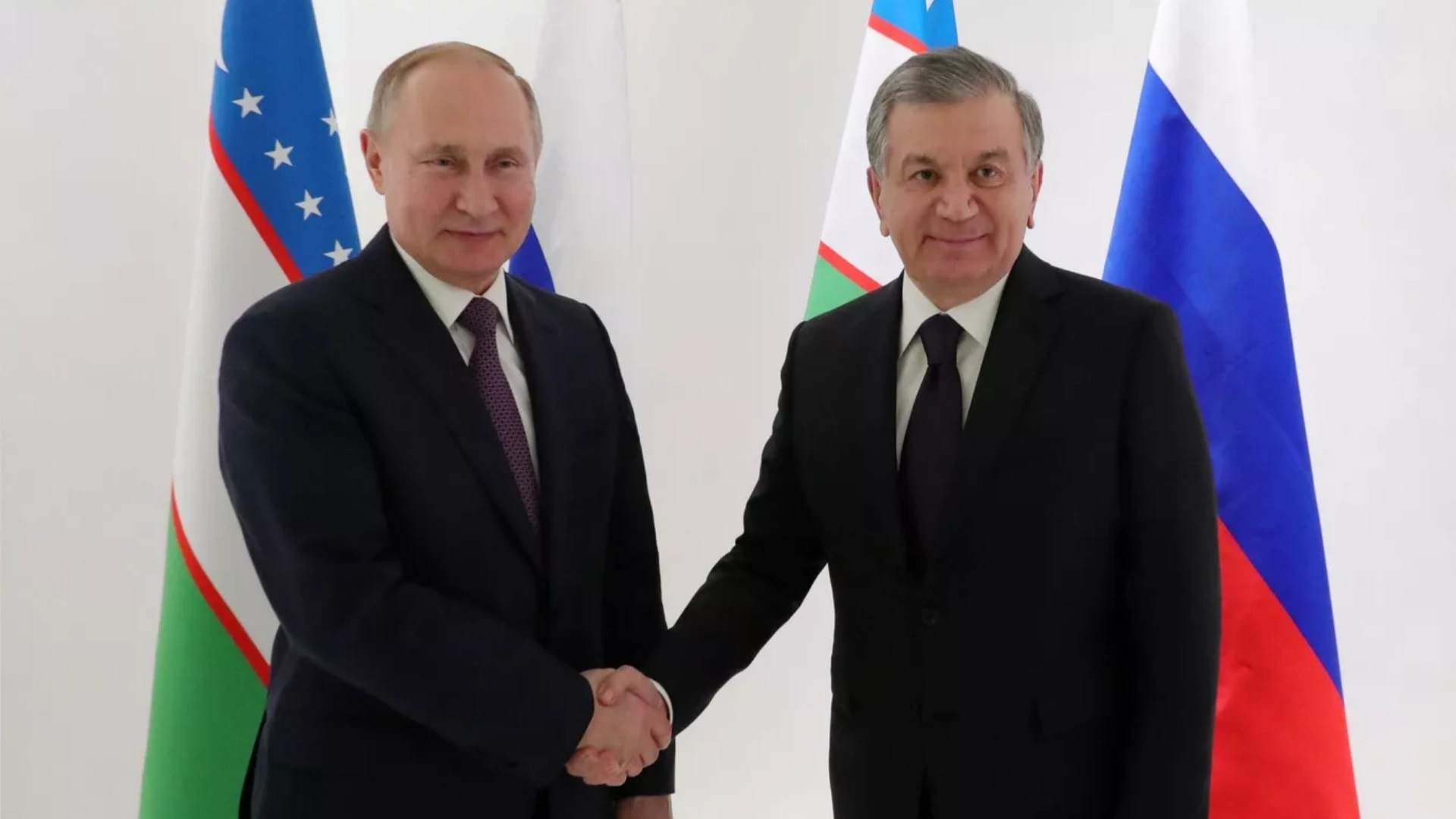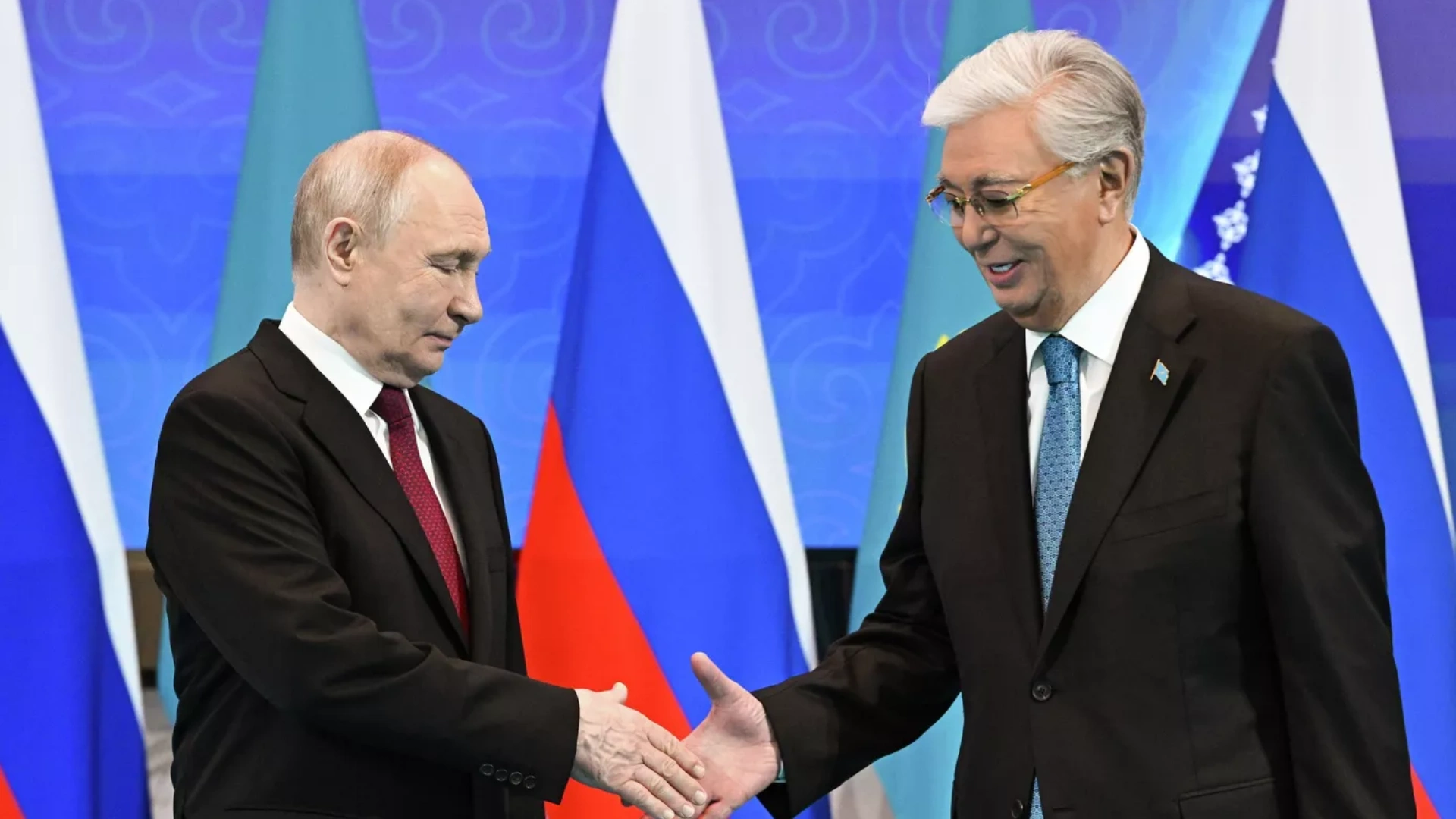
Following official talks in Astana between Russian President Vladimir Putin and Kazakh President Kassym-Jomart Tokayev, Russia and Kazakhstan signed 10 strategic agreements and a joint declaration aimed at strengthening friendship between their peoples in the fields of nuclear energy, economy, education, and transportation.
After the high-level negotiations between the two countries, an intergovernmental framework agreement was signed regarding the construction of Kazakhstan’s first nuclear power plant (NPP). The agreement covers the fundamental principles of the nuclear plant project, the terms of cooperation, and the state export loan to be provided by Russia for financing the project.
Not Just a Power Plant, But a New Industrial Sector
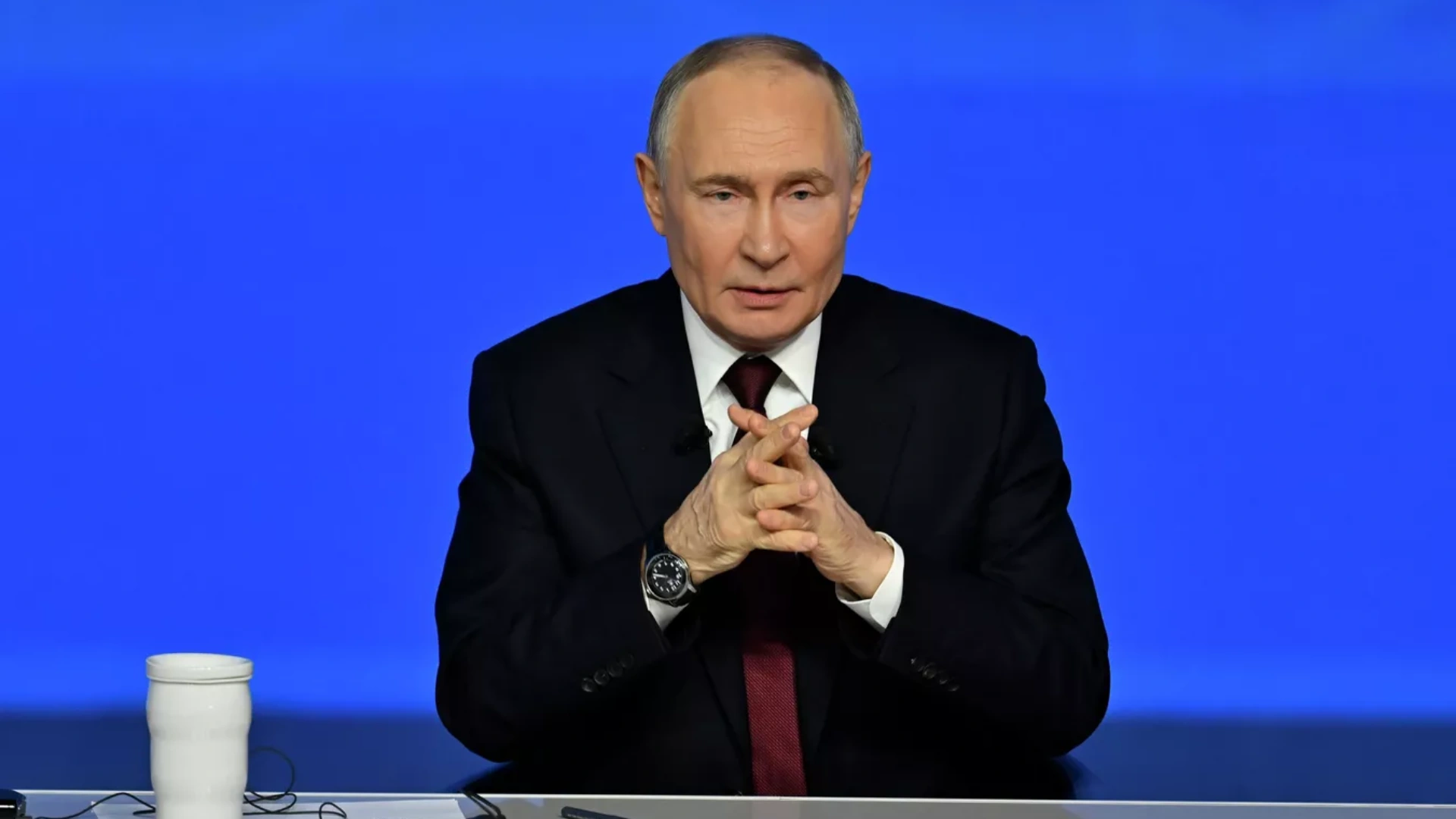
Speaking to the press after the talks, Russian President Vladimir Putin stated that the cooperation would not be limited to the construction of a power plant alone. Putin emphasized that Russia would spearhead the establishment of a comprehensive “peaceful atom” industry in Kazakhstan, including education and specialist training.
According to information previously shared by Kazakhstan’s Atomic Energy Agency, the consortium led by the Russian state nuclear energy company Rosatom will undertake the construction of the country’s first nuclear power plant. Following a public referendum, it was decided that the plant to be built on the shores of Lake Balkhash would be named Balkhash NPP.
‘Seven Principles of Friendship Between Peoples’
The two leaders also signed a joint declaration regulating relations between the peoples of the two countries, referred to as the “Seven Principles of Friendship Between Peoples.” The seven key principles highlighted in the document are as follows:
- Relations based on shared history and a responsible approach to its objective assessment,
- Joint efforts to advance Eurasian integration,
- Preserving the shared border as an area of good neighborly relations,
- Deepening economic partnership,
- Recognizing linguistic and cultural diversity as a shared heritage, traditional value, and civilizational closeness,
- Cooperation in youth, educational exchanges, and sports,
- A shared vision for the future.
Comprehensive Cooperation in Education, Finance, and Energy
In addition to nuclear energy, several agreements and action plans of strategic importance were also implemented during the summit. Other signed documents include:
Education
The establishment of the “Kazakhstan–Sirius” International General Education School and a Center for Children and Young Talents in Kazakhstan. An agreement was also signed regarding the financing of Russian citizens studying at the Al-Farabi Kazakh National University branch in Omsk.
Energy and Finance
Expansion of cooperation in the oil sector, an additional interagency protocol on combating money laundering and terrorism financing, a currency swap agreement, and a memorandum on combating fraud.
Digitalization and Security
Four separate action plans covering digitalization in transportation, nuclear and radiation safety regulations for the 2026–2030 period, digitalization of railway freight transportation, and cooperation in healthcare and consumer rights.
‘Global Problems Cannot Be Solved Without Russia’
Kazakh President Kassym-Jomart Tokayev stated that Kazakhstan places great importance on its strategic partnership and allied relations with Russia.
Describing Putin’s visit to Astana as a turning point for the future of bilateral relations, Tokayev stressed that Russia would never lose its leading position in the global economy and that no major international issue could be resolved without Russia’s participation.