Lebanese and Israeli delegations met again in Rome today to discuss the implementation of a U.S.-brokered framework agreement. While the Lebanese government hopes for tangible progress toward a gradual Israeli withdrawal from southern Lebanon, significant disagreements between the parties make a swift breakthrough unlikely.
The talks are focused on implementing the plan agreed upon in Washington on June 26. The framework calls for Hezbollah’s disarmament, the deployment of the Lebanese Armed Forces to southern Lebanon, and the phased withdrawal of Israeli troops. However, continued Israeli military operations and Hezbollah’s refusal to disarm have stalled the process.
Lebanese officials are expected to present a “pilot zones” proposal during the Rome discussions. Under the plan, Hezbollah would first surrender its weapons in designated areas, after which Israeli forces would withdraw, and control would be transferred to the Lebanese Army. Two pilot zones have already been identified for the initial phase of the agreement.
‘Concrete and Implementable Steps’
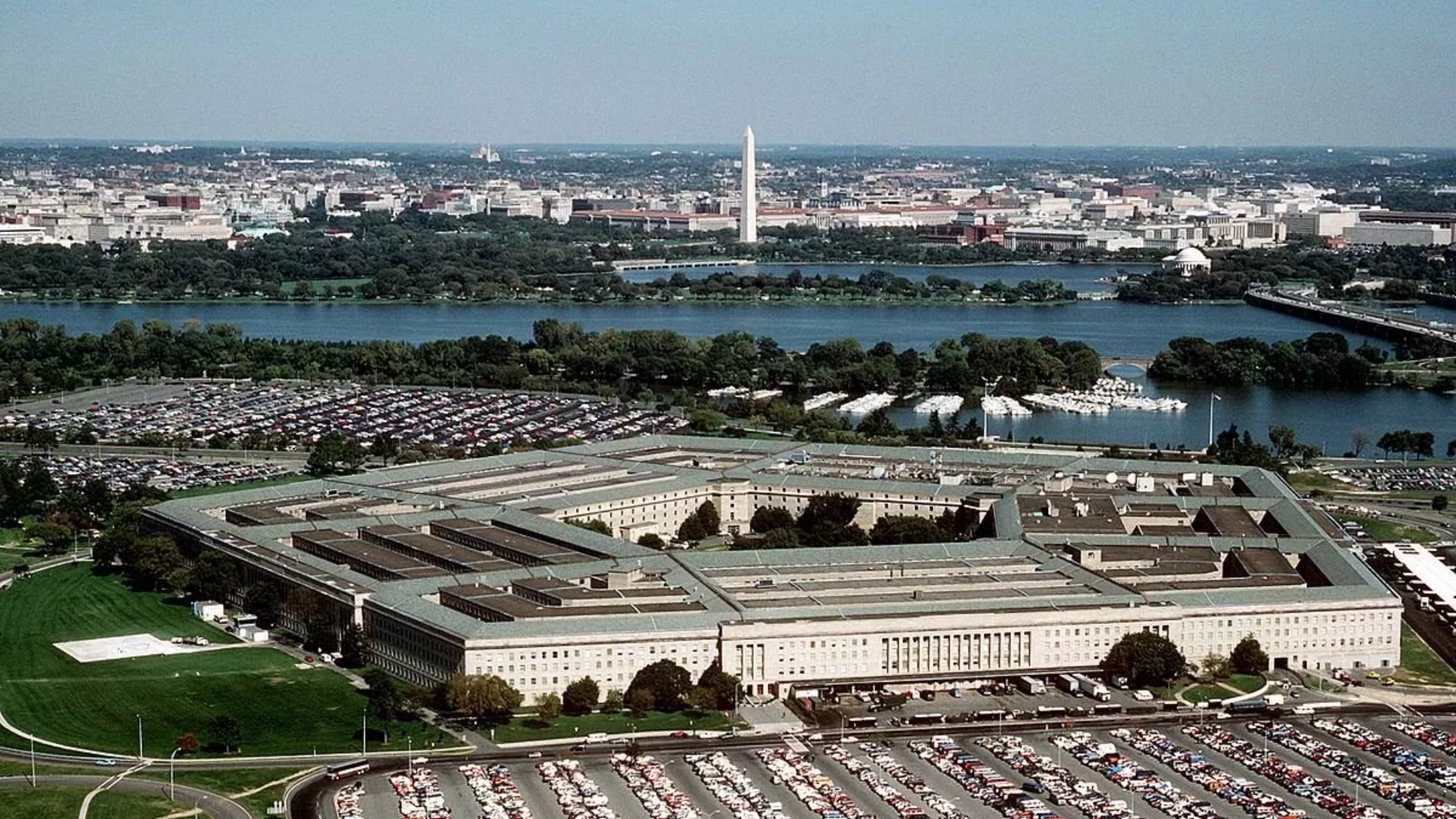
A U.S. official said last week that the U.S. Central Command (CENTCOM) is coordinating with both Lebanon and Israel to implement the pilot zones. According to sources who spoke to Reuters, a U.S. military delegation visited Lebanon over the weekend to discuss the details of the plan.
Lebanese President Joseph Aoun expressed hope that the Rome talks would produce “concrete and implementable steps” on the ground and pave the way for the start of Israel’s withdrawal. Italian Foreign Minister Antonio Tajani welcomed Rome’s role as host of the negotiations, saying, “Our capital is becoming the capital of peace.”
The Israeli military continues to control a buffer zone extending approximately 10 kilometers into Lebanese territory along the border. Israel argues that the zone is necessary to protect its northern communities from Hezbollah attacks, while the Lebanese government insists that the occupation must come to an end.
According to Lebanon’s Ministry of Health, Israeli attacks since March have killed more than 4,000 people and displaced over one million others. Reuters has previously reported that thousands of Hezbollah members have also been killed during the fighting. On the Israeli side, at least 32 soldiers and four civilians have been killed in the latest round of hostilities.