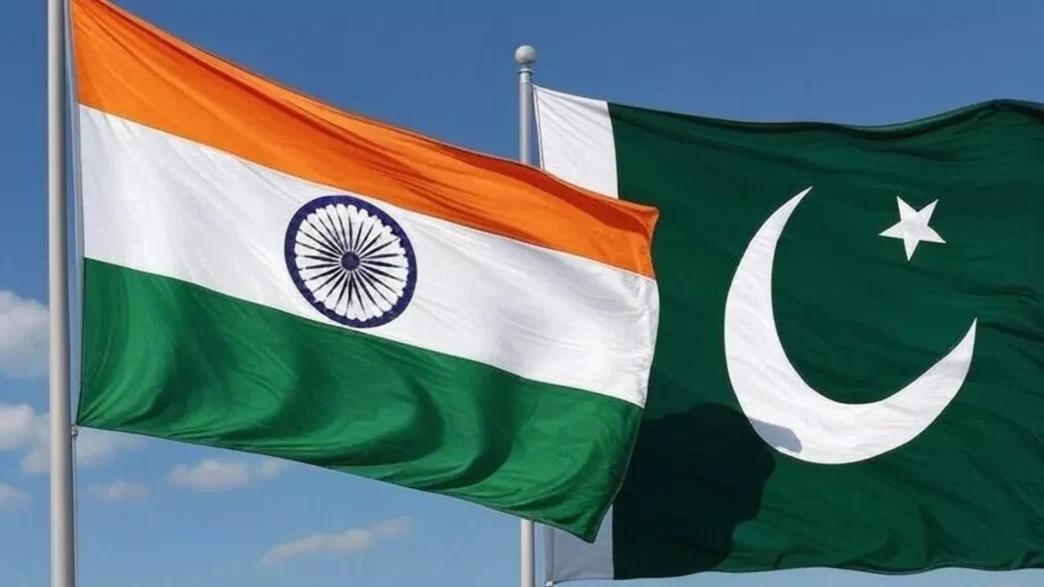
The Permanent Court of Arbitration in The Hague has ruled that India cannot unilaterally suspend the Indus Waters Treaty, which has been in force with Pakistan since 1960. The court also imposed temporary restrictions on some of India’s activities related to the Ratle Hydroelectric Power Project in Kashmir.
A significant ruling has emerged in the long-running water dispute between India and Pakistan. The Permanent Court of Arbitration in The Hague stated that the Indus Waters Treaty, which New Delhi announced it had suspended last year, remains legally in force and that India must fulfill its obligations under the agreement.
The court ruled that India had no legal basis to terminate or unilaterally suspend the treaty.
The ruling stated: “India must comply with its obligations under the Treaty, including those relating to the design and operation of hydroelectric projects on the Western Rivers.”
Why is the treaty important?
The Indus Waters Treaty is of vital importance to Pakistan. The water system established under the agreement provides approximately 80 percent of the water needed for the country’s agricultural land.
Although India and Pakistan have fought three wars and experienced numerous armed conflicts since 1960, they have maintained the water-sharing treaty in force.
Why did India suspend the treaty?
India announced the suspension of the Indus Waters Treaty in April 2025 following an attack at a tourist site in Kashmir that killed 26 people.
New Delhi claimed that two of the three attackers were Pakistani nationals, while Islamabad denied having any connection to the attack.
Temporary restrictions on Ratle Hydroelectric Power Project
The Permanent Court of Arbitration also accepted Pakistan’s request and temporarily restricted India from raising the dam wall and water intake structure at the Ratle Hydroelectric Power Project in Kashmir above specified levels.
An independent expert appointed by the World Bank will determine by July 2027 whether the hydroelectric projects in the region comply with the Indus Waters Treaty.
India will not be allowed to carry out activities that would raise the structures above the specified limits until the expert issues a decision.
India rejects the ruling
The Indian government rejected the ruling, arguing that the court has no jurisdiction over the matter. New Delhi maintained that the Permanent Court of Arbitration has no authority to rule on India’s sovereign decisions.
In a statement, India’s Ministry of External Affairs said: “This so-called Court of Arbitration has no jurisdiction whatsoever to adjudicate on India’s sovereign decisions.”
The ministry also stated that neither the court’s current nor future decisions would affect India’s activities related to its hydroelectric projects.