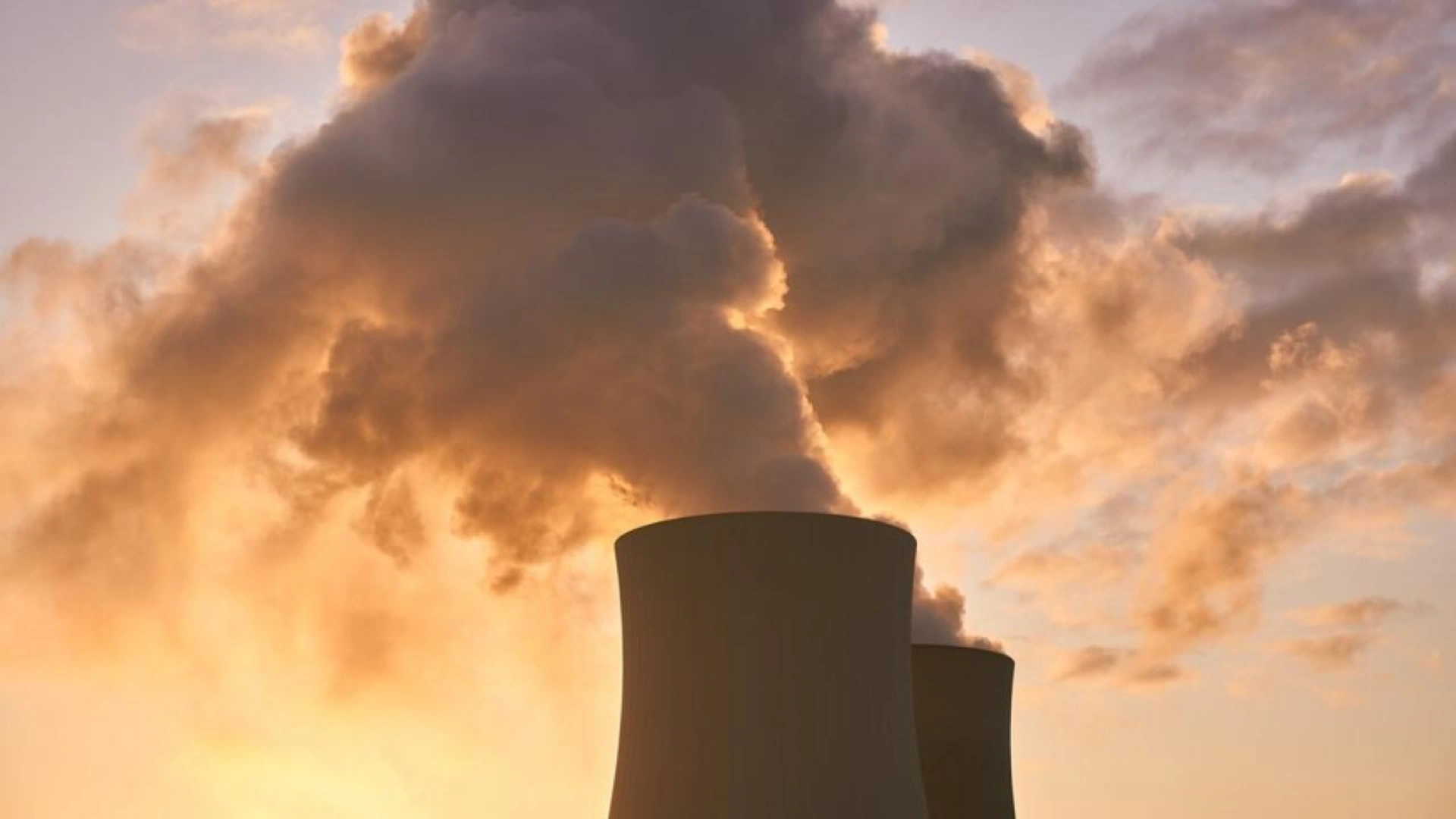
France’s Gravelines Nuclear Power Plant in the north of the country was shut down again as a precaution after a massive swarm of jellyfish clogged the pumps in its cooling system. The fact that the incident occurred for the second consecutive year, exactly one year apart, has once again brought attention to rising sea temperatures and the impact of climate change on marine life.
Cooling Pumps Clogged by Jellyfish
According to a report by Nature, the pumping stations at Gravelines, which draw seawater to cool the plant’s reactors, became clogged after a massive mass of jellyfish reached the facility.
The plant’s operations were halted as a safety precaution. A similar incident occurred on August 11, 2025, when four units at the facility were temporarily shut down due to a jellyfish invasion.
Measures Taken a Year Ago Prove Insufficient
Following the incident in 2025, EDF, the operator of the power plant, spent hundreds of thousands of euros on new measures to prevent a similar event from happening again. However, despite these precautions, a dense swarm of jellyfish disrupted operations at the facility exactly one year later.
EDF teams are also using fishing boats in the area to help move the jellyfish masses away from the plant’s water intake points. Officials said the facility is expected to return to full capacity once the necessary work is completed.
Experts Point to Climate Change
Rising seawater temperatures are believed to play an important role in the increase of jellyfish swarms. Warmer waters can accelerate the reproductive cycles of some jellyfish species, while an increase in plankton, which they feed on, can also contribute to the formation of large-scale jellyfish blooms.
The fact that the incident at Gravelines occurred on the same date in two consecutive years has further fueled discussions about the relationship between climate change and changes in marine ecosystems.
When Nature Disrupts Major Infrastructure
The jellyfish invasion is being cited as one of the unusual examples of how nature can affect massive human-made infrastructure.
In Connecticut, USA, a raccoon entering an electrical transformer left more than 2,500 customers without power. Meanwhile, at the LIGO observatory in Washington, ravens pecking at pipes affected sensitive measurements and caused data disturbances.
Even the Large Hadron Collider (LHC) at CERN in Switzerland was forced to suspend operations after a piece of bread fell into its cooling system.
According to experts, such incidents demonstrate not only how human activities alter natural habitats, but also how living organisms can have unexpected effects on large-scale technological systems.