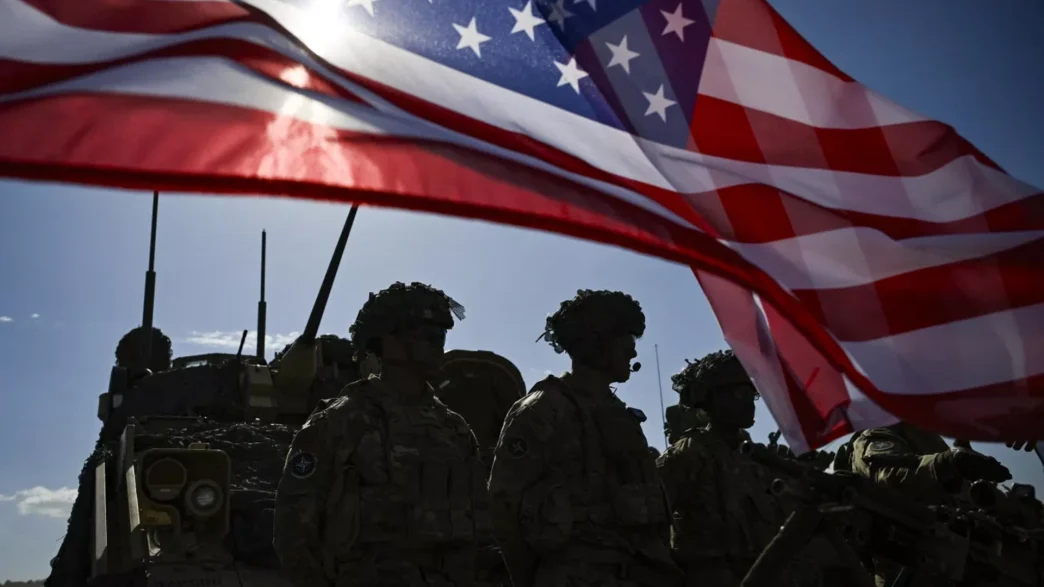
The large-scale Ssangyong amphibious landing exercise, which was scheduled to be held by the United States and South Korea in September, has been canceled due to military developments in the Middle East. The US Marine Corps cited restrictions on the use and deployment of military forces as the reason for the cancellation.
US Informed Seoul in June
Han Seung-jong, Director of Public Relations for the South Korean Marine Corps, said at a press conference that the US side had officially informed them in June about restrictions related to the exercise.
Han stated that the US Marine Corps had informed South Korean authorities that restrictions had been imposed on the use and deployment of certain military assets due to developments in the Middle East.
Talks Continue on the Future of the Exercise
The Ssangyong exercise, which is normally conducted at the division level every two years and was scheduled to take place in September this year, has been canceled amid reports that the United States is shifting military resources toward the Middle East.
Han Seung-jong said the cancellation of this year’s exercise had created some scheduling difficulties, adding that consultations with the US Marine Corps were continuing on restarting the exercises in the future.
North Korea Factor Sparks Debate
Another major joint exercise conducted by the United States and South Korea, Ulchi Freedom Shield, was also held on a reduced scale this year. The exercise ended on August 21, six days earlier than originally scheduled.
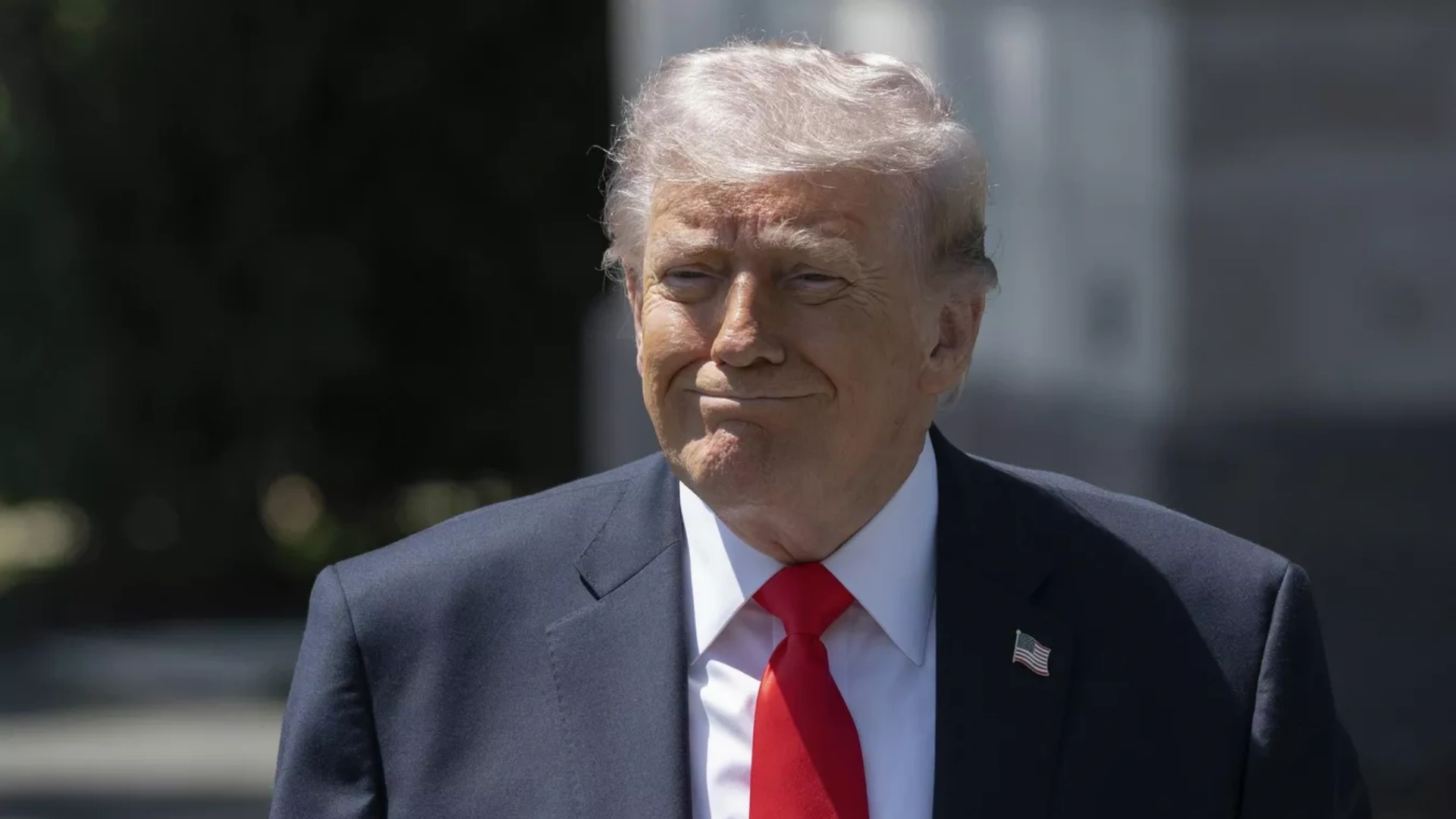
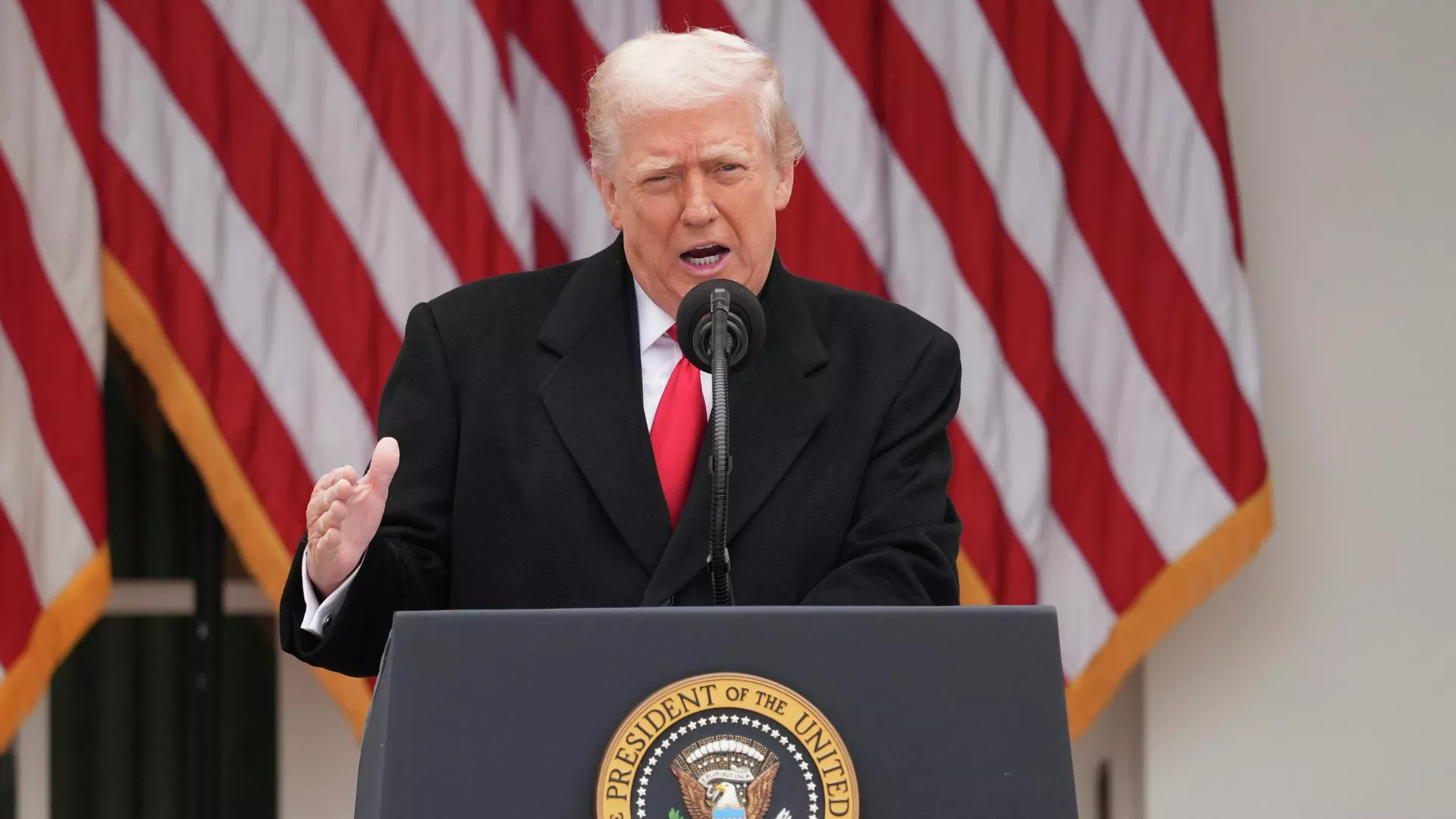
In a statement on August 16, US President Donald Trump emphasized his “good relationship” with North Korean leader Kim Jong-un and argued that such military exercises send an “inappropriate and hostile message” to Pyongyang.
These developments have fueled speculation over whether Washington is seeking to reduce military exercises on the Korean Peninsula in an effort to create a new basis for dialogue with North Korea.
South Korea Plans to Hold the Exercise Alone
However, according to a report by South Korean television, the fact that Seoul was informed of the decision to cancel the Ssangyong exercise as early as June suggests that the decision was driven primarily by military requirements in the Middle East, rather than directly by efforts to establish a new dialogue with North Korea.
South Korea, meanwhile, reportedly plans to hold the exercise this year independently, without US forces, using its own military capabilities.