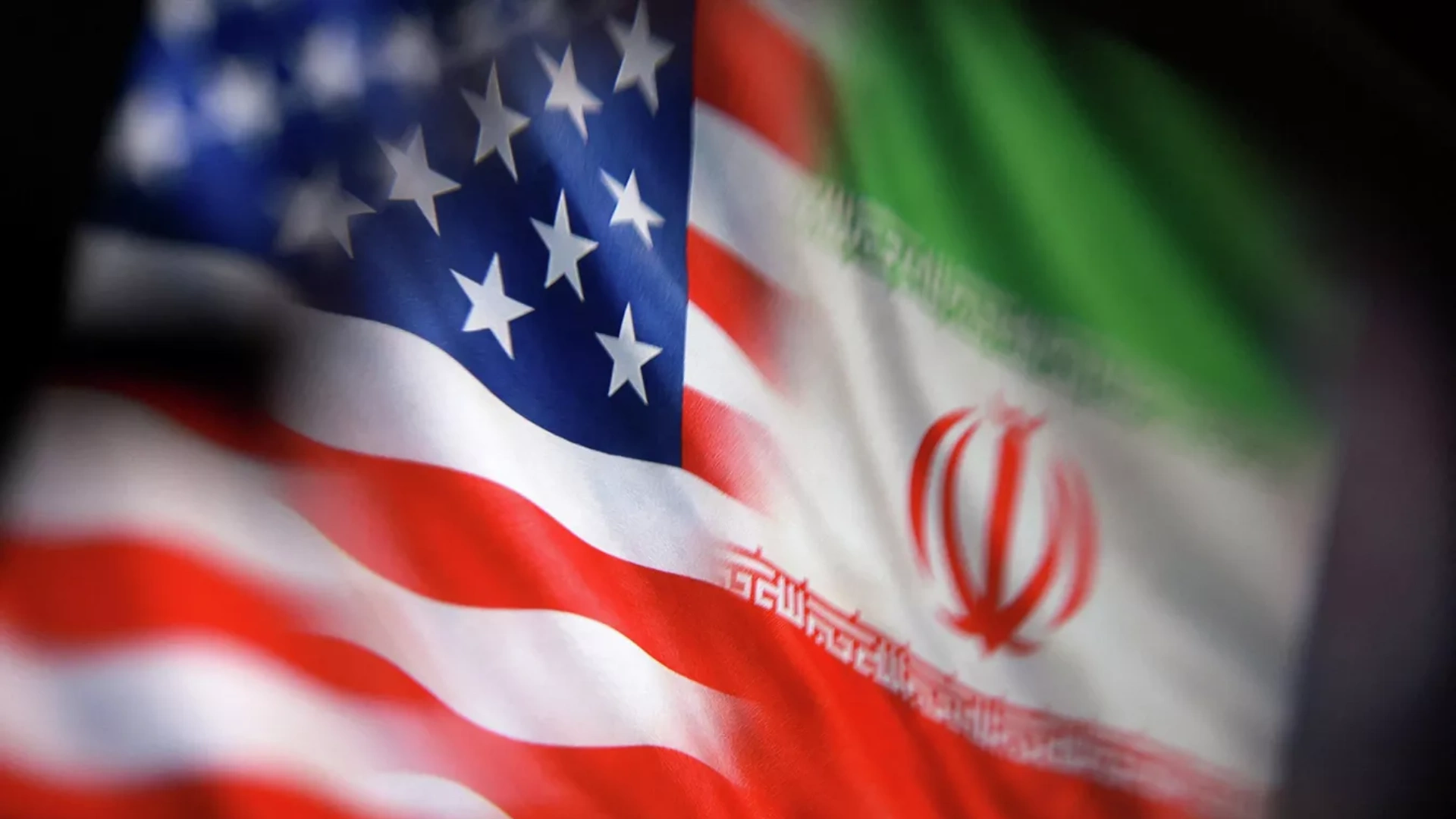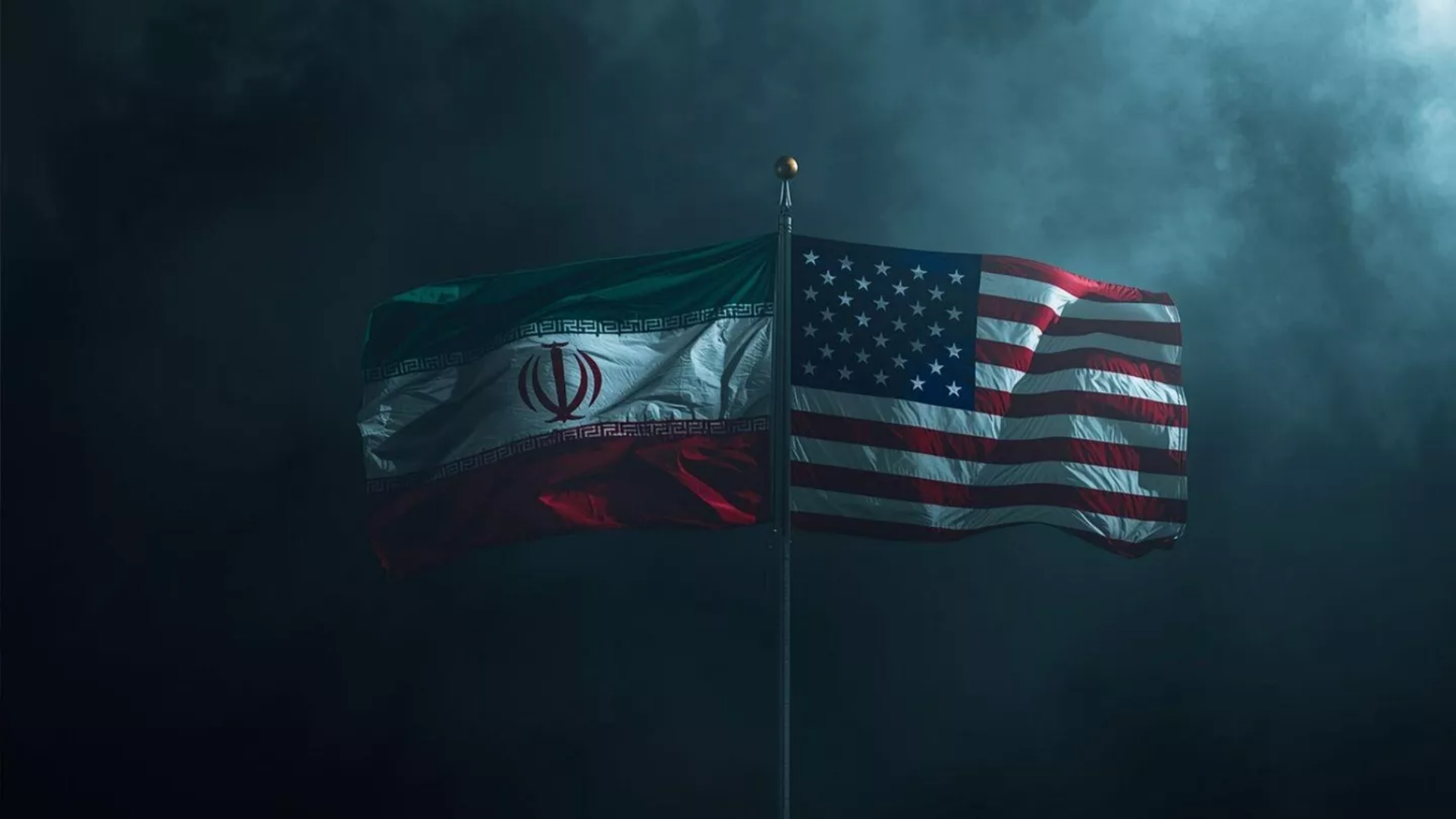
Iran’s Ministry of Foreign Affairs stated that the United States carried out attacks on an Iranian oil tanker and a telecommunications tower on Qeshm Island, and accused Kuwait and Bahrain of supporting these operations. Tehran declared that it reserves the right to respond to any future attacks by all available means.
The Iranian Foreign Ministry condemned what it described as U.S. strikes targeting an Iranian oil tanker in the Strait of Hormuz and a telecommunications tower on Qeshm Island. Tehran argued that these attacks violated the principles of the ceasefire and international law.
In a statement, the ministry asserted that Kuwait and Bahrain bear “direct and explicit responsibility” because their territories and facilities were allegedly used in U.S. operations against Iran.
Iran emphasized that it reserves its right to self-defense and announced that it would consider all options in response to any future attacks, including targeting the source of such aggression. The statement further stressed that Iran could exercise its right to defend itself against countries that allow their airspace or territory to be used in attacks against Iran.
Overnight Attacks Around the Strait of Hormuz
The statement came after a night of reciprocal attacks in the area surrounding the Strait of Hormuz. Iran’s Islamic Revolutionary Guard Corps (IRGC) claimed that, in response to the U.S. attack on Qeshm Island, it launched missile strikes against military bases in Kuwait hosting U.S. forces.
The IRGC also announced that the U.S. Fifth Fleet Headquarters in Bahrain had been targeted with missiles and drones. Iranian officials maintained that these attacks were carried out in retaliation for the U.S. operation against Qeshm Island.
Meanwhile, the U.S. Central Command (CENTCOM) stated that Iranian drone attacks targeting U.S. forces in Kuwait had failed, adding that air defense systems intercepted and destroyed several unmanned aerial vehicles. According to the statement, no U.S. personnel were harmed.