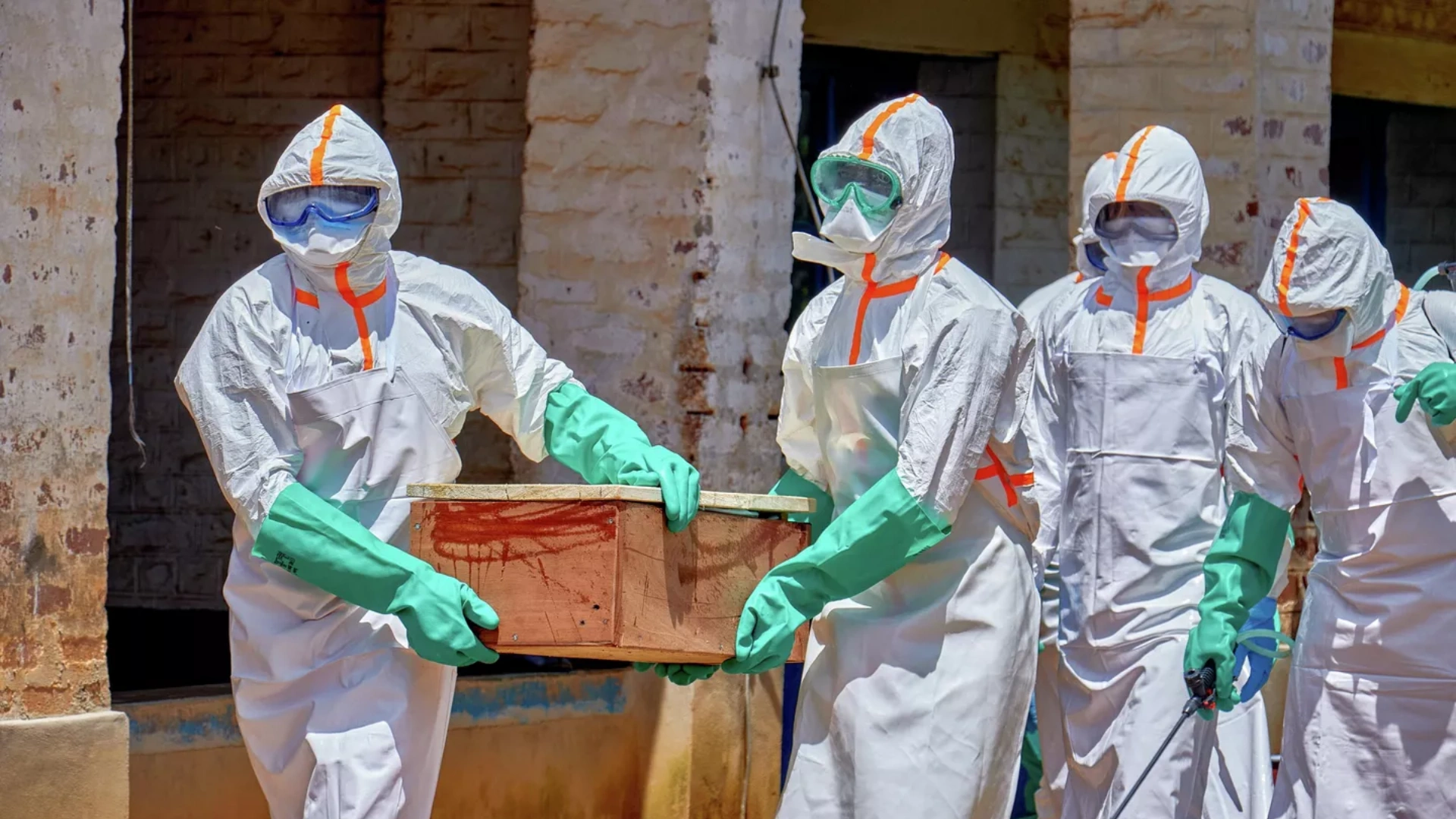
The Ebola outbreak in the Democratic Republic of the Congo is spreading rapidly. With 72 new cases and 32 deaths confirmed in the last 24 hours, the total number of cases has risen to 782, while the death toll has reached 181.
The outbreak, which was officially declared about a month ago, continues to raise concerns across the country. According to data released by the Congolese Ministry of Health, 72 new Ebola cases were identified in the past 24 hours. This marks one of the highest daily increases recorded since the beginning of the outbreak.
With the latest figures, the total number of confirmed cases in the country has climbed to 782, while the number of confirmed deaths has reached 181. Authorities also reported 32 new deaths within the last day. Experts warn that the actual number of infections may be higher than the official figures suggest.
Outbreak Remains Difficult to Contain
Officials noted that although the outbreak was officially declared on May 15, the virus may have been spreading before that date.
Among the main challenges hindering efforts to control the outbreak are security concerns, insufficient funding, and shortcomings in contact tracing. According to the latest data, only 56 percent of identified contacts are currently being monitored.
Unlike most previous Ebola outbreaks, the current epidemic is being caused by the Bundibugyo strain of the virus. Experts point out that there is currently no approved vaccine or specific treatment available for this strain.
According to the Ministry of Health, 56 people have recovered so far, while the outbreak’s fatality rate stands at approximately 23 percent.
Conflict Complicates Response Efforts
The epicenter of the outbreak is Ituri Province, which accounts for more than 90 percent of all reported cases. Infections have also been recorded in North Kivu and South Kivu provinces and have spread across the border into neighboring Uganda.
According to United Nations data, nearly one million people have been displaced by conflict in Ituri alone. The constantly moving population, dense forests, and hard-to-reach villages are making contact tracing and monitoring extremely challenging for health workers.
The World Health Organization (WHO) and the Africa Centres for Disease Control and Prevention (Africa CDC) are expanding testing, contact tracing, and treatment efforts in an attempt to halt the spread of the outbreak.