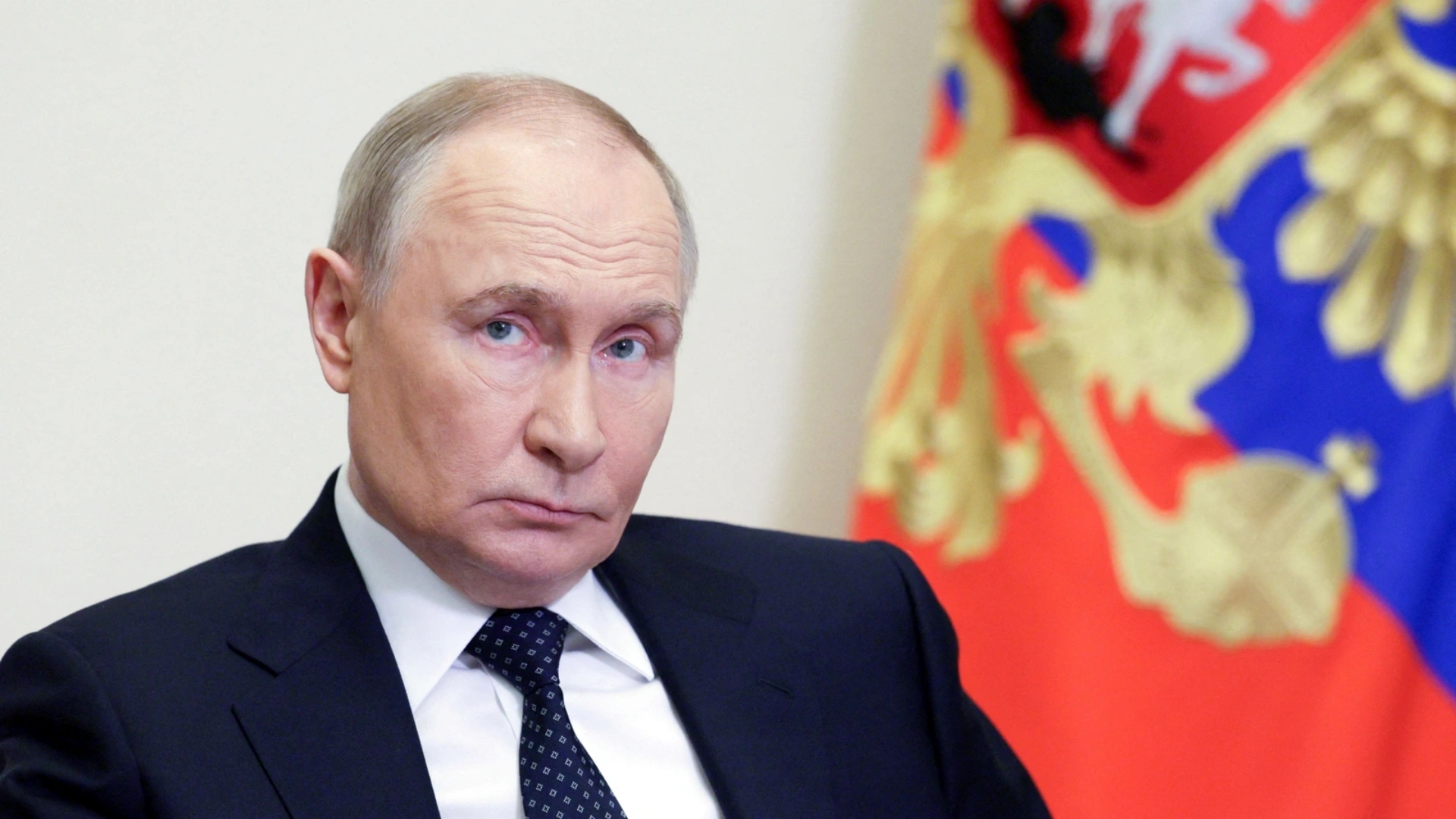
Despite volatility in global energy markets, Kremlin spokesman Dmitry Peskov stated that the Russian economy remains secure and stable, while describing the United States’ decision to shift automobile production toward weapons manufacturing as a process of “economic militarization.”
Speaking at a press briefing, Peskov addressed developments in the global economy, energy markets, and Washington’s latest defense policies.
“There Is No Doubt About the Stability of the Russian Economy”
Commenting on the impact of sharp fluctuations in global oil and energy markets, Peskov emphasized that Russia’s macroeconomic stability remains fully intact.
“At present, there is absolutely no reason to question the macroeconomic stability of our country. The stability of the Russian economy has been firmly secured, and this is not a matter of doubt for anyone. This issue has been discussed repeatedly during economic meetings chaired by our President, and our Prime Minister has consistently presented reports to the Head of State confirming this assessment,” Peskov said.
He added that instability in energy markets is a global challenge affecting all nations without exception:
“The situation in global energy markets remains highly volatile, and this impacts every country in the world.”
“The United States Is Militarizing Its Economy”
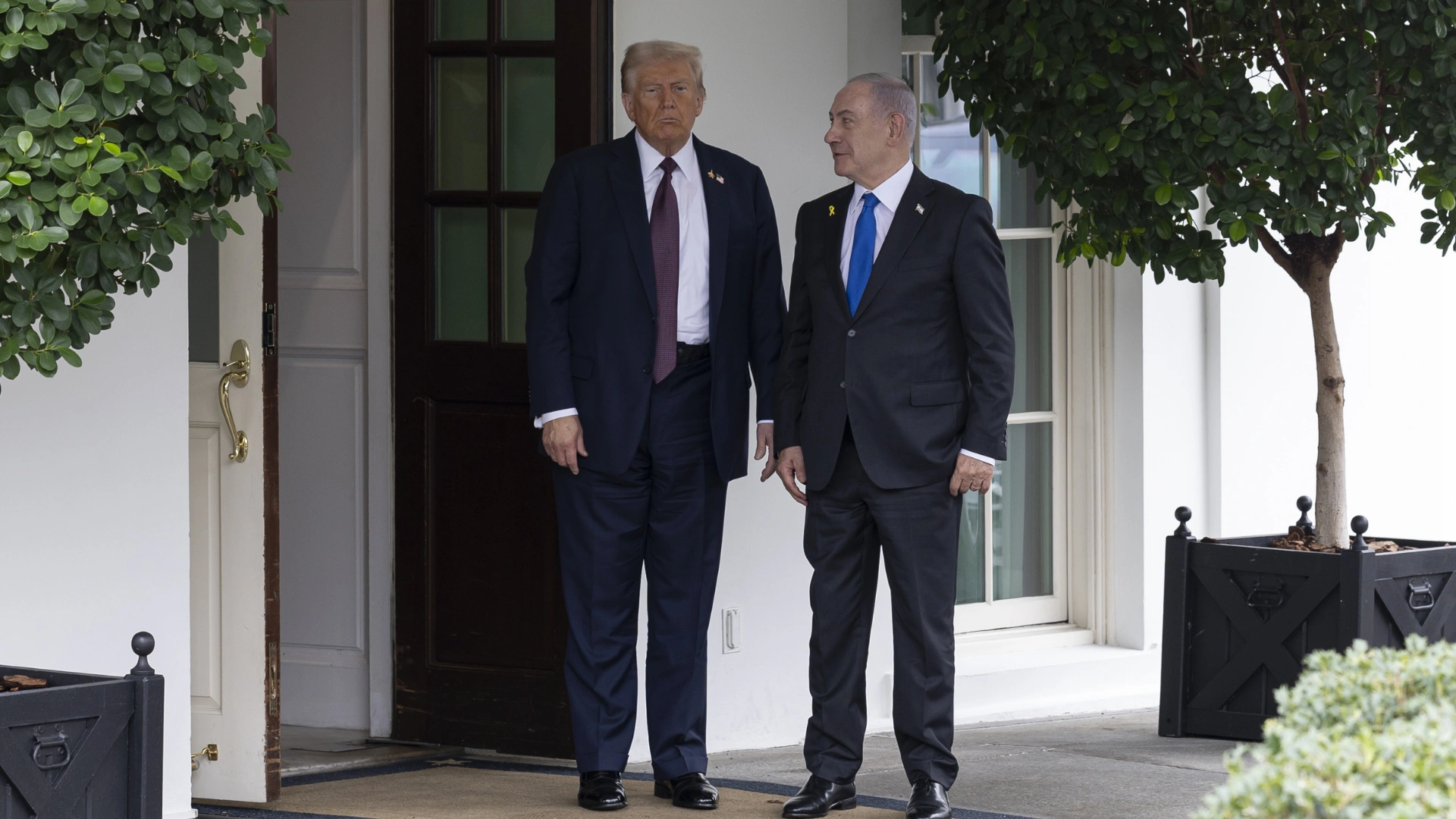
The Kremlin also commented on U.S. President Donald Trump’s announcement that American automobile manufacturers would begin producing military equipment, including Tomahawk cruise missiles and Patriot air defense systems.
Peskov characterized the move as a militarization of the U.S. economy and linked the decision to the depletion of American military stockpiles.
“The United States has significantly exhausted its military inventories and weapons stockpiles. Therefore, they need to replenish them. What we are witnessing is the militarization of the economy,” he stated.
Reasons: Iran and Ukraine
According to Peskov, the strategic shift is not surprising given recent military developments involving the United States.
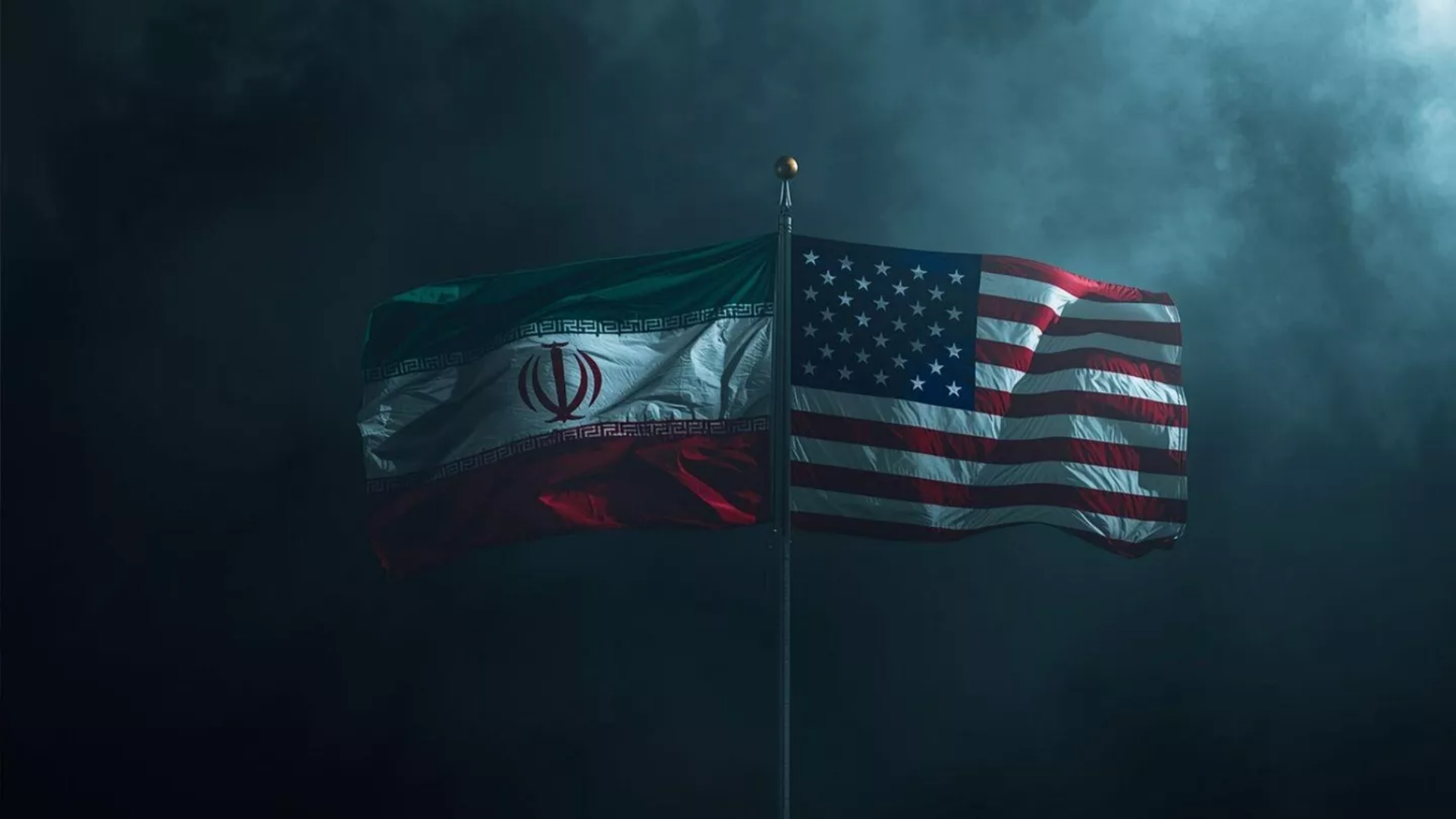
“There is nothing difficult to understand here. Military activity increased in the Persian Gulf region during aggressive actions directed against Iran. At the same time, it is well known that the United States continues to sell and supply massive quantities of weapons to Ukraine. In light of all these developments, plans to redirect automobile factories toward weapons production are entirely understandable,” he concluded.