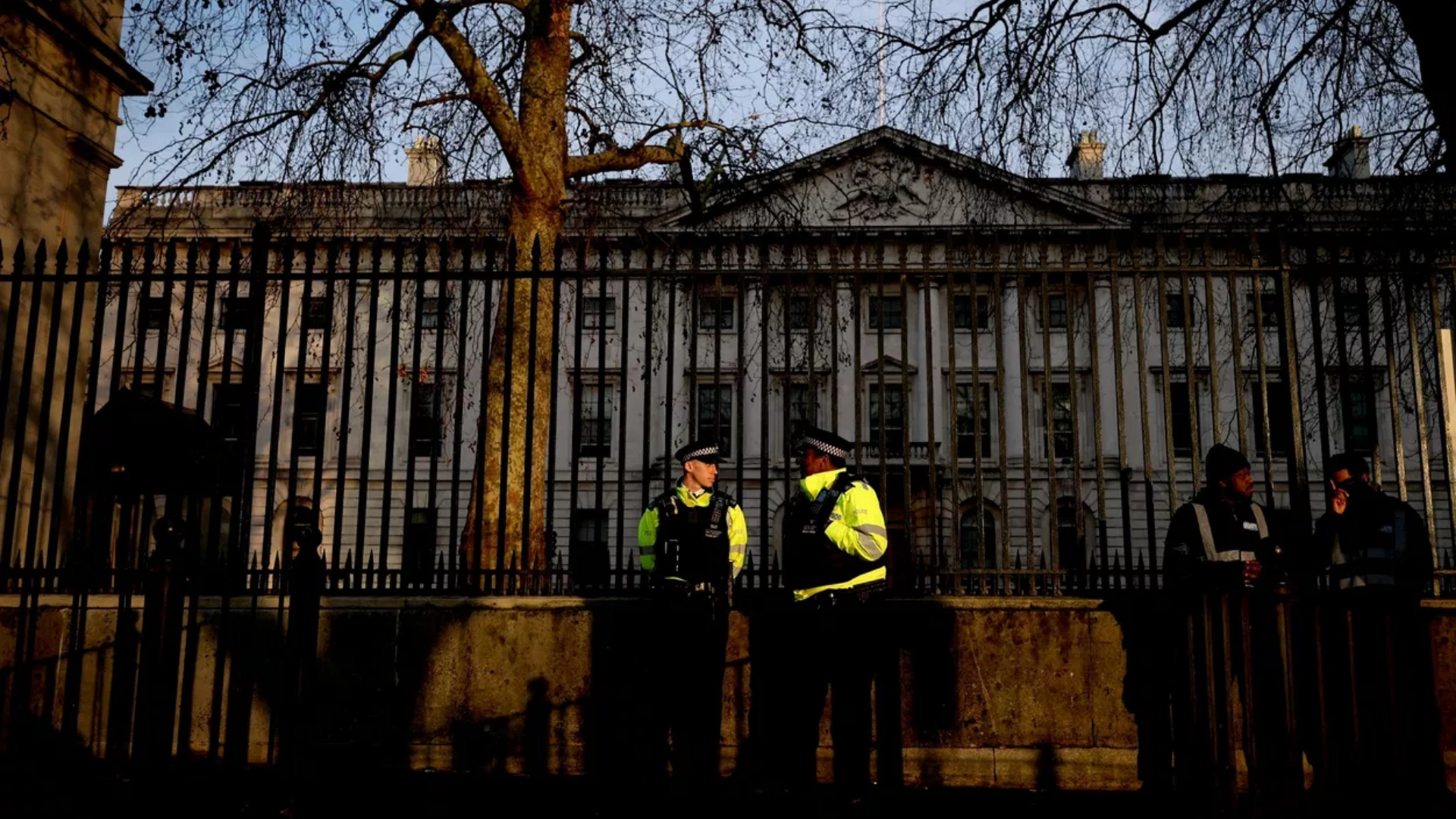
The UK’s High Court has ruled that the government’s approval of China’s planned large-scale embassy complex in London was lawful, dismissing a legal challenge brought by local residents.
The UK government approved China’s proposal in January to build a major embassy complex on the approximately 20,000-square-meter Royal Mint Court site near the Tower of London. The decision came shortly before then-Prime Minister Keir Starmer’s visit to China, the first by a British prime minister since 2018.
The site, purchased by China in 2018 for approximately £255 million (equivalent to around 16.27 billion Turkish lira at today’s exchange rate), will become Europe’s largest Chinese embassy once completed. The new complex will consolidate China’s seven separate diplomatic offices in London into a single campus.
The approval was widely viewed as part of London’s broader effort to improve relations with Beijing. However, both British and U.S. politicians raised concerns that the complex could potentially be used for espionage activities. British intelligence agencies, meanwhile, stated that any potential security risks could be effectively managed through appropriate safeguards.
Residents’ Legal Challenge Rejected
The Royal Mint Court Residents Association (RMCRA) filed the lawsuit on behalf of local residents and businesses, arguing that the government’s approval was unlawful.
However, the High Court in London rejected those claims.
In its judgment, the court stated:
“The RMCRA has failed to provide reasonable and convincing evidence that there is a real likelihood of a human rights violation that would personally affect its members.”
The court also dismissed the association’s additional objections regarding the enforcement of planning conditions and allegations that relevant documents had not been disclosed during the earlier planning inquiry.
The ruling removes one of the final major legal obstacles to the construction of China’s new embassy complex in London.