
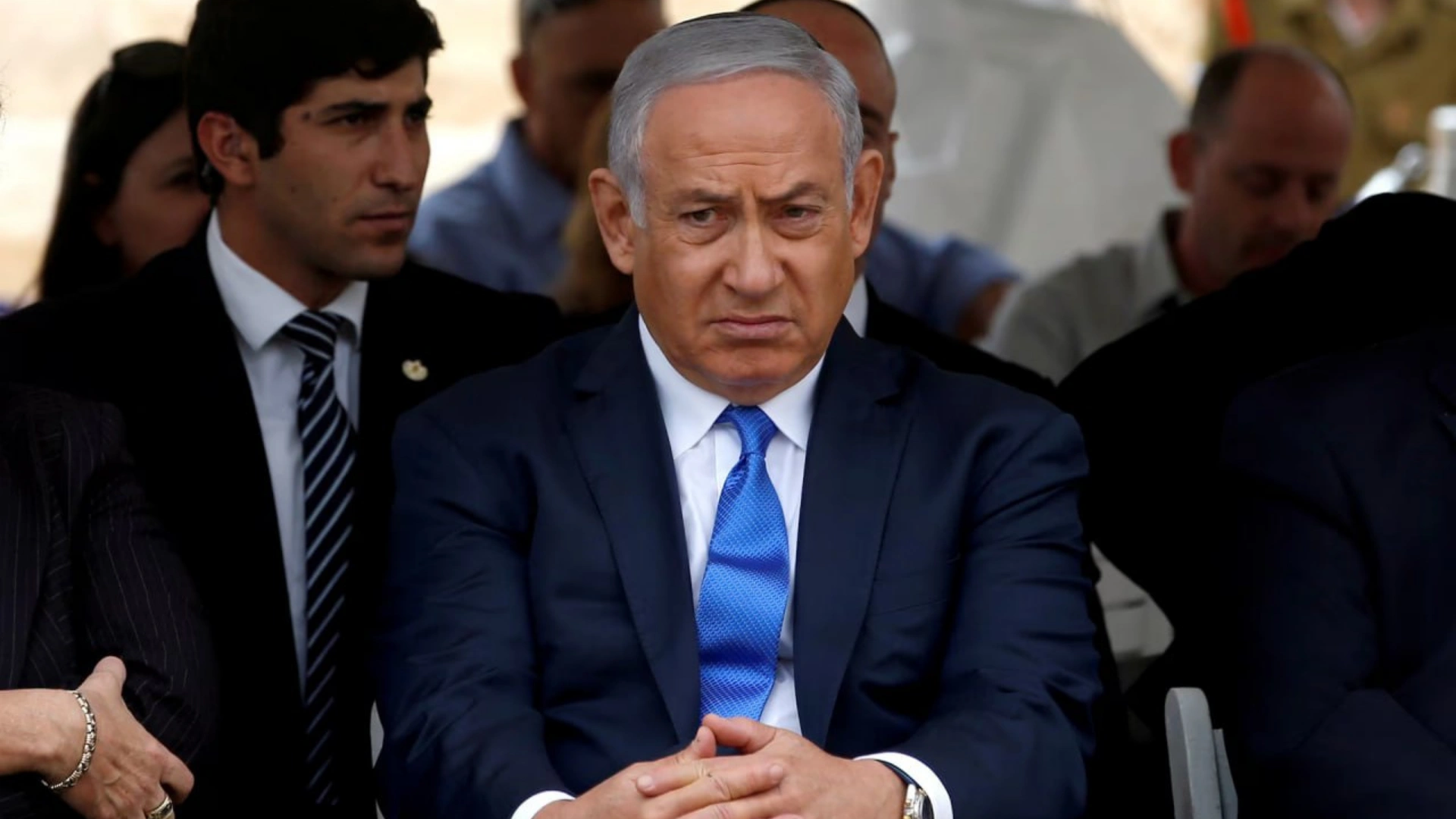
Israeli Prime Minister Benjamin Netanyahu announced that he has instructed the Israeli military to carry out airstrikes on the Dahiyeh district in southern Beirut, the capital of Lebanon.
Netanyahu stated that he had ordered Israeli forces to launch airstrikes on the Dahiyeh area south of Beirut. In a joint statement with Defense Minister Yisrael Katz, Netanyahu announced that the Israeli military would conduct new airstrikes on Beirut.
It was previously reported that during a phone call with U.S. Secretary of State Marco Rubio on May 30, Netanyahu had sought approval from Washington to target Beirut with airstrikes.
There had also been claims that the Israeli military had been unable to carry out airstrikes on Beirut due to a “veto” by U.S. President Donald Trump. Most recently, despite the ceasefire, Israel conducted an airstrike on the Shuwayfat area in southern Beirut on May 28.
Israeli Forces Occupied the Historic Shaqif (Arnoun) Castle in Lebanon
In what was recorded as the deepest ground incursion into Lebanese territory in more than 25 years, the Israeli military yesterday occupied the strategic hilltop Shaqif (Arnoun) Castle, located north of the Litani River in Lebanon. Israeli forces reportedly raised their flag at the site.
Fourth Round of Negotiations Had Just Concluded
The fourth round of negotiations between Israel and Lebanon, held in the United States, concluded last week.
According to Lebanese media reports, during the approximately nine-hour talks, the Israeli delegation presented maps and intelligence information identifying locations it claimed were linked to Hezbollah. The use of drones by Hezbollah was also reportedly discussed during the meetings.
Israel is said to have raised demands related to security normalization, but the Lebanese side rejected these requests, arguing that such decisions should be made at the political rather than military level.
Ceasefire Had Been Extended
Beginning on March 2, Israel launched intensive airstrikes on Lebanon and occupied several areas in the country’s south.
The attacks displaced more than one million people, while according to Lebanon’s Ministry of Health, 3,412 people have been killed.
Through U.S. mediation, the parties agreed to a temporary ceasefire. Initially established on April 17 for ten days, the ceasefire was first extended by three weeks and later, following negotiations in May, extended for an additional 45 days starting from May 17.
However, despite the ceasefire, hostilities have not completely ended. The Israeli military continues its attacks and demolition operations in southern Lebanon, while Hezbollah has continued launching attacks against Israeli forces, accusing Israel of violating the ceasefire.
Netanyahu had also announced on May 25 that he had instructed the military to intensify operations against Lebanon.