
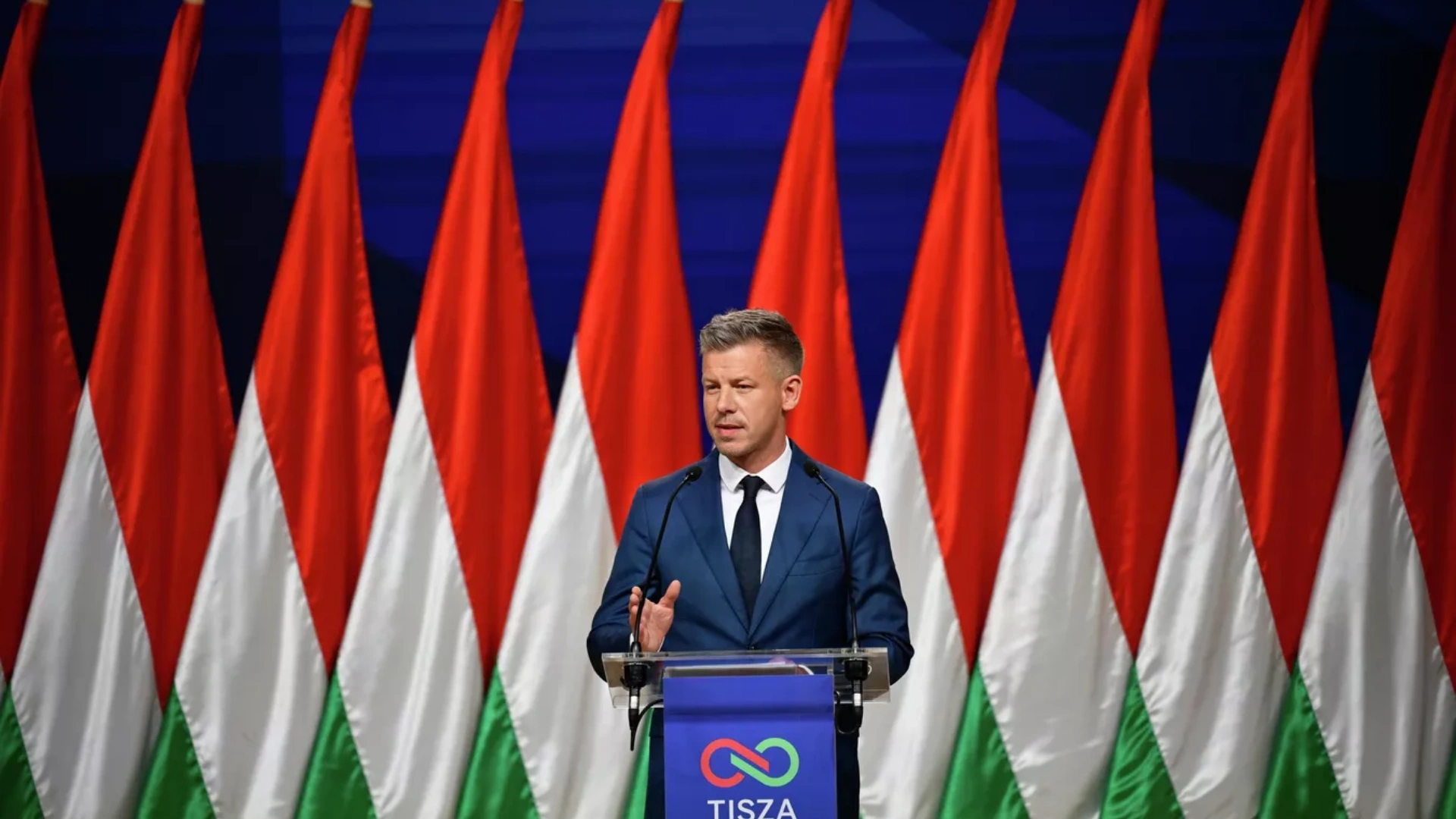
Hungarian Prime Minister Peter Magyar has announced that his government will initiate a constitutional amendment process aimed at enabling the removal of the country’s president. Magyar also revealed plans for a comprehensive constitutional reform package to be introduced this autumn, along with the creation of a new institution called the National Assets Protection and Recovery Office to combat corruption and safeguard public property.
Historic Move Announced in Parliament
Speaking in Parliament on Monday, Prime Minister Peter Magyar set in motion what could become one of the most significant political developments in recent Hungarian history. Magyar stated that the government is preparing the legal framework necessary for the removal of the current president and will urgently launch a constitutional amendment process to achieve this goal.
The prime minister described the initiative as part of a broader effort to overhaul Hungary’s political and legal system, signaling reforms that could fundamentally alter the balance of power at the highest levels of the state.
Comprehensive Constitutional Reform Planned for Autumn
Magyar emphasized that the government’s plans extend far beyond the presidency. He announced that a far-reaching constitutional reform process will begin in the autumn, with the potential to bring substantial changes to Hungary’s political system, legal framework, and public administration.
According to the prime minister, the reforms are intended to make state institutions more transparent, efficient, and accountable while reshaping the country’s governance structure.
New Anti-Corruption Body to Protect Public Assets
Alongside the proposed constitutional changes, the Hungarian government is preparing a major anti-corruption initiative. Magyar stated that authorities will pursue corruption allegations with determination and establish a new institution called the National Assets Protection and Recovery Office.
The office will be tasked with protecting public assets, recovering state property that may have been transferred through unlawful means, and overseeing the legal aspects of anti-corruption investigations and asset recovery efforts related to past administrations.
The government presents the new institution as a key component of its broader strategy to strengthen transparency, protect public resources, and enhance accountability within the state.